A rubber screened cable can look serviceable while its sheath, metallic screen or termination has already been damaged by bending, moisture, heat or chemicals. By following a construction check, inspection routine, cleaning and drying method, handling rules and test plan, you can decide whether to keep, repair or quarantine the cable.
Key takeaways
- Match sheath marking, drum label and datasheet before prescribing care.
- Reject cable with cuts, swelling, exposed screen wires or crushed sections.
- Keep bend radius, pulling tension and storage temperature within the datasheet limits.
- Record batch, test results, inspections and installation location for traceability.
How do you identify the cable before giving it a care routine?
Do not start with “Polycab rubber cable” as the technical description. A Polycab dealer must match the printed sheath marking, drum label and supplied datasheet before recommending care, because flexible, welding, mining, control and screened cables have different limits.
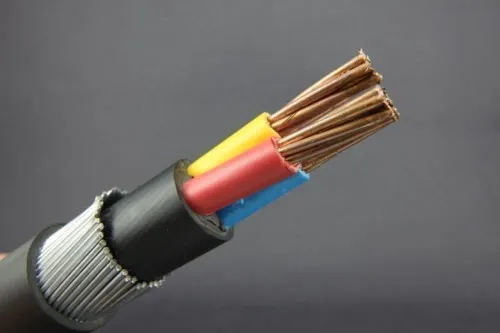
1. Record the conductor size and class, number of cores, insulation and sheath compound, screen type, voltage grade, temperature rating, applicable product standard, batch number and cable length.
2. Identify the screen correctly. A foil screen with drain wire, copper braid and concentric metallic screen have different bonding and current-carrying capabilities. The screen controls electrical interference; the rubber sheath provides insulation and resistance to environmental or mechanical demands. Do not use the screen as a protective-earth conductor.
3. Use the manufacturer’s datasheet and installation standard to select the termination and earthing arrangement. Do not assume that one-end or both-end bonding suits every circuit.
4. Set inspection intervals by exposure: inspect stored cable before dispatch, inspect active installations at each planned maintenance visit, and inspect immediately after flooding, chemical exposure, crushing or abnormal heating.
5. For routine care, remove loose dust with a dry, soft brush or lint-free cloth. If the product instructions permit washing, use clean water and mild neutral detergent; never use petrol, diesel, thinner or solvent. Wipe the cable dry, keep both ends sealed, and let it dry fully before testing or energising.
What signs show damage to the rubber sheath or metallic screen?
A cut that exposes braid or a metallic screen requires immediate quarantine: moisture can enter and screening continuity can be compromised. Inspect the full accessible length under good light, marking every defect by location. Check glands, clamps, bends, drum flanges and terminations first.
| Defect | What to look for | Required response |
|---|---|---|
| Sheath damage | Cuts, abrasion, crushing, flattening, swelling, cracking, hardening or tackiness | Quarantine exposed braid or screen; do not return it to service |
| Contamination | Oil marks, discoloration or chemical attack | Isolate the cable and identify the petroleum product, solvent, acid or alkali involved |
| Heat damage | Browning, blistering, glossy hardening or reduced flexibility compared with the surrounding sheath | Stop use and investigate abnormal heating |
| Screen damage | Broken strands, corrosion, loose ends, displaced layers, poor bonding or a braid pulled back from its contact point | Obtain a competent assessment before testing or repair |
| Surface dirt | Dust or soil without sheath damage | Clean it; dirt alone does not prove failure |
Keep a Polycab screened cable away from petroleum products, solvents, acids, alkalis, ozone-producing equipment and excessive heat unless its specific compound is rated for that exposure. “Rubber” does not establish oil, chemical or ozone resistance. Apply the same caution to Polycab rubber cable.
Check for a loose termination as well as damage along the screen, drain wire, armour or braid. A later continuity check is necessary, but DC continuity can remain intact after poor bonding or damaged screen geometry has reduced high-frequency performance.
Do not patch the sheath or screen with ordinary adhesive tape and resume service without competent assessment.
How should you bend, pull and store the cable?
1. Use the manufacturer’s minimum bend radius for the exact Polycab screened cable and installation condition. Fixed installation, occasional flexing and continuous flexing have different limits; braid, tape and concentric screens can require different treatment.
Do not force the cable around a tight gland, twist it axially, create a kink or repeatedly flex it at the termination.
2. Support the cable without crushing its sheath and add strain relief so movement or pulling does not load the screen, drain wire, gland or individual conductors. Pull through an approved pulling eye, stocking or method suited to the cable, and stay below the stated maximum pulling tension.
Stretching can damage the conductor or screen without leaving an obvious mark.
3. Store drums upright on their flanges, secure them against rolling and keep the flange from pressing on the cable length. Keep coils and drums off the ground and away from standing water, sunlight, oils, solvents, debris and impact. Cap or seal both ends, block rodents and inspect for tooth marks before use.
Do not drag drums, roll them over rough ground or stack them without approval; a damaged flange can flatten the sheath and alter screen geometry. A Polycab dealer’s dispatch record should note the drum number, cable designation, length, supplied documents, sheath condition and damaged sections.
Which tests confirm that the screen and insulation are fit for service?
Before energisation, use the construction record to identify every core, the screen, drain wire and any armour. Test screen continuity end to end, then verify that the screen, drain wire and armour have no unintended contact with the cores.
| Bonding arrangement | Useful effect | Decision point |
|---|---|---|
| One-end signal-screen connection | Reduces low-frequency circulating current and ground-loop problems | Use only when the circuit design permits it |
| Both-end suitable-shield connection | Improves high-frequency interference control | Use a short, low-impedance bond when the frequency environment requires it |
Do not assume that one-end earthing is always correct. A long pigtail, loose braid termination or poorly bonded gland can leave DC continuity intact while creating excessive high-frequency impedance, so continuity alone does not prove EMC performance.
Perform insulation-resistance testing only after isolating drives, sensors, electronic instruments, surge protection and control modules that cannot tolerate the test voltage. Never megger through connected sensitive electronics. Use the megohmmeter voltage and acceptance criteria specified by the cable, equipment and project standard.
Record the test voltage, duration, temperature, measured resistance, core tested, screen connection and instrument identification. For screened cable care in Raipur, also check current capacity against ambient temperature, grouping, enclosure, ventilation, installation method and harmonics. Catalogue ampacity is not a safe operating current when the screen carries induced or fault current.
Confirm the Polycab screened cable construction and datasheet before applying any test limit.
How do you manage Raipur exposure and maintain traceable cable records?
For screened cable care in Raipur, plan for monsoon wetting, intense sunlight, dust, heat, construction debris, rodents and industrial chemicals. Keep temporary coils on raised supports under a ventilated waterproof cover; sealing dampness underneath traps moisture. Inspect after rain.
Keep both ends capped during storage and transport. Remove dust with a dry brush before it reaches a termination, but do not treat a dry outer sheath as proof that moisture has not travelled into conductor strands, insulation layers or screen components.
Use rodent barriers or sealed storage, and keep cable away from welding sparks, hot surfaces, oils, acids, alkalis, solvents and fuel.
Follow the cable’s specified UV, temperature and water-resistance limits. Raipur’s climate does not create an environmental rating.
1. At dispatch, record the drum number, exact cable designation, conductor and screen construction, length, batch number, supplied manufacturing or test documents, visible sheath condition and each damaged section’s measured position.
2. A Polycab dealer such as Prabhat Cables Pvt. Ltd can match those records to the correct datasheet instead of giving generic advice for the wrong construction. Ask for the same information before accepting a replacement or approving installation.
3. Quarantine cable with an uncapped end, damaged sheath, uncertain identity, failed screen continuity or missing traceability until a qualified person assesses it.
Related products
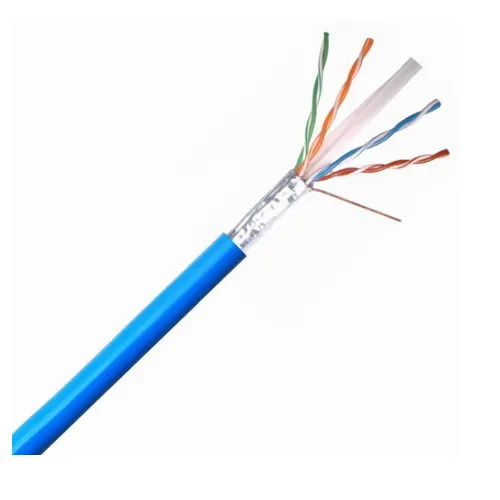 | Polycab Screened Cables Polycab screened cables are power cables designed with a metallic shield (screen) to minimize electromagnetic interference (EMI) and ensure signal... View product → |
 | Polycab Flexible Cables Polycab flexible cables are electrical cables designed with enhanced flexibility for various applications, including those involving movement,... View product → |
Frequently asked questions
How do you identify a rubber screened cable before choosing a care routine?
Read the printed sheath marking, drum label and supplied datasheet together. Confirm cable type, voltage rating, conductor size, screen construction, temperature range, bend radius and intended use before giving handling instructions.
What signs indicate damage to the rubber sheath or metallic screen?
Look for cuts, cracking, hardening, swelling, abrasion, flattened sections, exposed conductors and oil or chemical attack. Inspect the screen for broken braid or wires, corrosion, loose strands and places where it is visible through damaged insulation.
How should you bend, pull and store rubber screened cable?
Follow the manufacturer’s minimum bend radius and pulling limit. Use rollers, avoid twisting and do not pull by the screen or connectors. Store the drum upright on a firm surface, protect it from sunlight and standing water, and seal cable ends.
Which tests confirm that the screen and insulation are fit for service?
Use a visual inspection, continuity test for the metallic screen and insulation-resistance test with the voltage specified by the datasheet or approved test procedure. Record instrument ID, test voltage, readings, temperature and date; investigate any unstable or sharply changed result.
How can you maintain screened cable records in Raipur?
Record supplier, drum number, batch number, sheath marking, delivery date, storage location, inspection findings, test results and installation section. Reinspect after exposure to heat, monsoon moisture, dust, oils or chemicals, and retain photographs of damage and repairs.