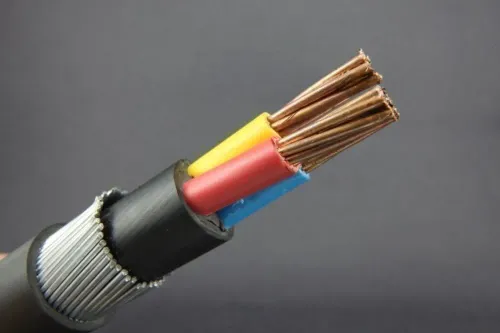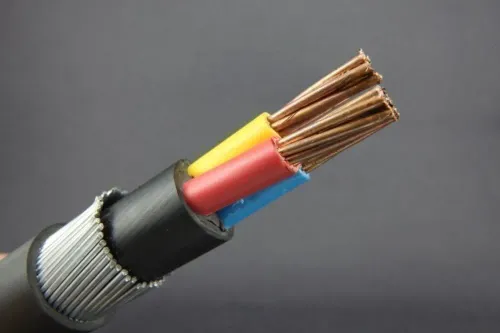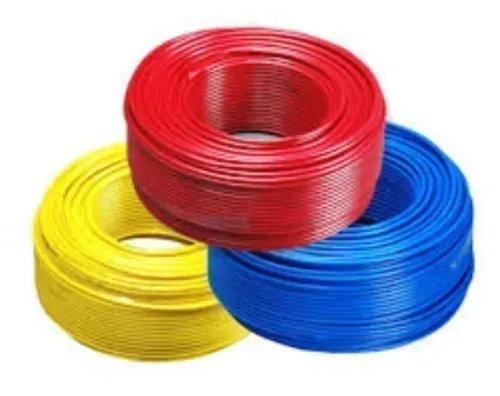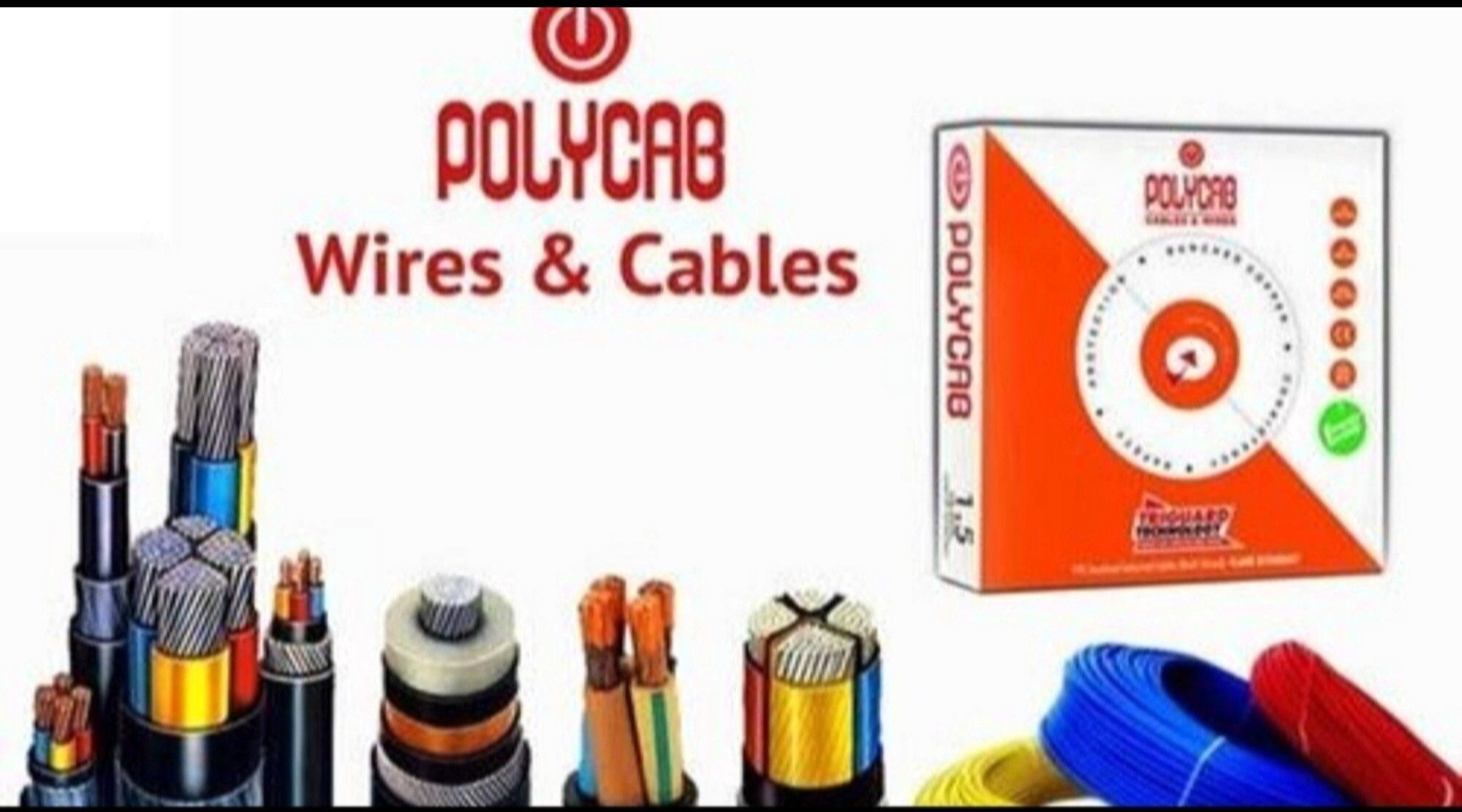
A quotation for jelly-filled telephone cable is incomplete when it gives only a brand and a cable name. You need to match the exact construction, pair size, installation route, test documents, drum condition and seller status before comparing prices or approving delivery.
Key takeaways
- State conductor size, pair count, construction and installation route before requesting a price.
- Match the supplied cable’s datasheet, standard, test reports and physical construction.
- Protect drums from water, then remove jelly before terminating or jointing conductors.
- Compare quotations only after confirming the authorised Polycab supply channel and equivalent specifications.
Specify the exact Polycab cable before requesting a price
A request for polycab jelly filled telephone cable must identify one exact Polycab construction, not merely say “telecom cable.” Without conductor size, pair count, construction and installation method, the price and suitability remain uncertain.
- Provide the Polycab catalogue code or part number, conductor material, conductor diameter or cross-sectional size, pair count, pair colour coding, insulation material, jelly compound, sheath material, overall diameter and declared cable length.
- State the route: prepared duct, direct burial, aerial installation, building entry, rooftop exposure or another application. Ask whether armour, a metallic screen, messenger support or special building-entry construction is required. Do not infer any of these features from “jelly-filled.”
- Include the project route length, joint locations, required spare pairs and preferred drum length. Ask the seller to distinguish a standard drum from a cut length.
- Require a quotation for that single identified construction, with its catalogue code and datasheet reference, rather than a generic Polycab cable description.
Conductor size changes copper quantity and resistance; pair count changes cable size and price; construction changes protection and installation suitability; the route changes the specification you need. A quote missing these details cannot establish whether the offered cable fits the job.
Ask for the exact cable description before comparing prices, and reject an offer that substitutes a different pair count, conductor size, sheath or installation construction without written approval.
Match the datasheet, standard and tests to the supplied construction
A Polycab authorized dealer should provide the manufacturer’s datasheet and compliance statement for the exact catalogue construction offered, not a generic Polycab telecom catalogue. Put the project-required Indian Standard, customer specification, or tender clause in the purchase order.
IS 10322 and IEC 60794 are not automatic proof of suitability: confirm that the named standard covers this copper pair cable and its application.
1. Request the stated limits for conductor resistance, insulation resistance, dielectric withstand, capacitance, pair-to-pair capacitance balance, impedance, attenuation, crosstalk, transmission-frequency range and operating-temperature range wherever the project requires them. Ask for the applicable routine or type-test certificate, sampling plan and acceptance limits.
2. Do not accept continuity alone. A cable can show an end-to-end connection while having excessive conductor resistance, low insulation resistance, pair shorts, crossed pairs or capacitance imbalance. Test the supplied drums or project-defined samples after delivery and before jointing.
3. Confirm that the document describes copper telephone cable, not optical fibre. Jelly filling controls water migration around insulated pairs; it does not establish fire survival, armouring, aerial self-support, building-entry suitability or regulatory compliance. Require each property explicitly in the construction description or project specification.
4. Reject certificates that identify only a product family. Match the catalogue code, pair count, conductor size, sheath and batch or drum identification to the supplied cable, then record the measured results against the stated acceptance limits.
Choose the installation route and follow construction-specific handling limits
A jelly filled telephone cable in mumbai belongs on a route only when the exact Polycab datasheet or project specification names that construction for the installation.
| Route | Use only when confirmed |
|---|---|
| Direct burial | Sheath and burial construction are specified; prepare a drained trench with the required cover and bedding. |
| Prepared duct | Duct installation is specified; swab the duct, clear obstructions, and verify the draw rope is rated, continuous and secure. |
| Aerial | Aerial or self-supporting construction, messenger support and permitted span are stated; jelly filling alone is not enough. |
| Manhole | The cable and joint system permit wet manhole conditions; protect bends and leave specified slack at each joint. |
| Building entry | Use the specified gland, sleeve or sealing system; seal the entry against water and movement. |
| Exposed rooftop | Confirm UV, temperature, mechanical-support and weather exposure limits; do not assume an ordinary sheath is rooftop-rated. |
Before pulling, record the exact limits for permitted pulling tension, minimum installation bend radius, allowable temperature range and sidewall pressure. Protect every bend, keep the rope and duct clean, and stop if tension or radius exceeds the datasheet value.
Cap both cable ends immediately. Keep water out during pulling, and use the specified jointing system. Petroleum jelly limits longitudinal water migration through spaces around insulated pairs; it cannot waterproof a cut sheath, open joint or poorly sealed entry.
Store drums clear of standing water, particularly during Mumbai monsoon work, and never infer armouring or aerial suitability from the word jelly-filled.
Protect drums and keep jelly out of terminals during jointing
Mumbai monsoon rain, wet ducts, waterlogged trenches and coastal air can damage cable before jointing begins. Keep drums under cover and off standing water, preserve the manufacturer’s roll direction, and leave both cable ends capped.
Before installation, photograph and record every crushed drum, damaged sheath, missing cap, exposed jelly and discrepancy between declared and measured length. A cable sold as jelly filled telephone cable in Mumbai is not protected from poor storage.
1. Inspect the drum and cable ends before moving them. Reject or quarantine damage until the supplier and project engineer decide whether the cable remains usable.
2. During stripping, use the manufacturer’s specified tool and remove only the sheath length required for the joint or termination. Excess stripping exposes more cable to wet ducts and handling damage.
3. Keep petroleum jelly away from connectors, terminal blocks, Krone modules, distribution boxes and test equipment. Clean the work area with the approved method before seating contacts; never push contaminated conductors into a module.
4. Use the specified joint closure, connector and sealing materials. Test each pair before closing the joint, because continuity after transport does not prove a sound cable.
The acceptance test should cover pair shorts, crossed pairs, insulation resistance, conductor resistance and capacitance balance when those values appear in the project plan. These checks separate a wet or contaminated termination from a cable-design problem.
Verify the authorised channel and compare equivalent quotations
Verify the seller’s channel status with Polycab, then compare quotations only after matching the exact cable construction. “Polycab dealer” and “polycab authorized dealer” are different claims; neither is proved by a seller’s website. Check Polycab’s current channel listing or obtain written confirmation from Polycab before accepting the phrase “authorized polycab cable dealer in mumbai.”
Ask every seller to state:
- Exact catalogue code and construction
- Pair count, conductor size and sheath type
- Standard drum length, declared length and ex-stock quantity
- Factory lead time and whether the offer is a cut length
Reconcile the drum or batch identification, printed cable marking, declared length and manufacturing information with the tax invoice and delivery documents. A sealed, identified drum provides stronger traceability than a loose coil with no markings.
A Mumbai wholesaler can quote availability without holding immediate stock. Put “ex-stock,” “project-reserved,” or “factory dispatch” status and the delivery date into the purchase order.
| Offer detail | Equivalent offer | Unlike offer |
|---|---|---|
| Catalogue code | Same code and construction | Generic telecom cable |
| Pair and conductor size | Same pair count and size | Fewer pairs or smaller conductor |
| Length | Same standard drum length | Shorter drum or cut length |
| Sheath | Same sheath construction | Different sheath or application |
Prabhat Cables Pvt. Ltd may be relevant as a Mumbai-based Polycab distributor, but request the product documents, traceability records and channel confirmation before placing the order.
Related product
 | Polycab Jelly Filled Telephone Cables Polycab Jelly Filled Telephone Cables Polycab Jelly Filled Telephone Cables are designed for outdoor telephone communication, offering protection against moisture, rodents, and other... View product → |
Frequently asked questions
What details should you provide when requesting a Polycab jelly filled telephone cable price?
Specify the conductor size, pair count, cable construction and installation method. A request that only says “telecom cable” does not identify one exact cable.
How do you check whether the supplied cable matches the quoted construction?
Compare the cable marking and physical construction with the Polycab datasheet. Check the stated standard, conductor details, insulation, jelly filling, sheath and available test documentation.
How should you handle a jelly filled telephone cable during installation?
Select the route first and follow the handling limits for that construction. Keep the drum protected, prevent impact or moisture damage, and avoid practices that exceed the cable’s installation limits.
How do you prevent jelly from causing problems during jointing?
Protect the cable ends until jointing, clean jelly from the conductors and terminals, and use jointing materials suited to the cable construction before making connections.
How can you compare quotations from a Polycab dealer in Mumbai?
Confirm the seller’s authorised supply channel, then compare quotations only when conductor size, pair count, construction, length, tests and delivery terms are equivalent.