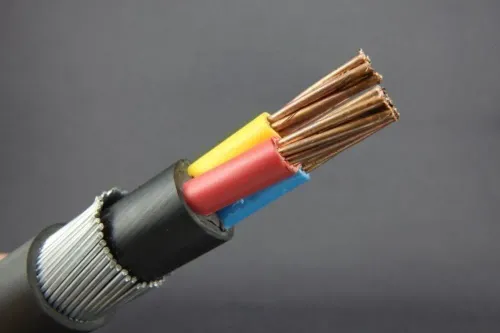
Solar cable insulation damage includes more than a visible cut: UV cracking, abrasion, melting, swelling, brittleness, rodent bites and connector heat can all reduce service life or create a dangerous DC fault. You will learn how to inspect a rooftop or ground-mounted array, decide when to isolate it, document the failure and specify the correct replacement without confusing genuine photovoltaic cable with ordinary wire.
Key takeaways
- Treat cracking, swelling, melting and exposed conductor as cable defects.
- Inspect connectors, cable glands, clips, rooftops and ground-level cable runs.
- Isolate the affected string before touching damaged cable or connectors.
- Match voltage, conductor size, insulation and connector compatibility before replacement.
How to recognise solar cable insulation damage before it becomes a DC fault
Solar cable insulation damage includes more than a clean cut. Treat cracking, chalking, deep abrasion, swelling, brittleness, melting, carbonisation, rodent marks, exposed conductor, and heat damage near a connector or cable gland as defects. A cable can remain electrically continuous while its insulation has already lost protection against moisture, heat and UV exposure.
- Isolate the visual check from assumptions: examine the jacket along bends, clips, tray edges, roof penetrations, module junction boxes, connectors, combiner boxes and inverter entries.
- Look for narrow cracks, pinholes, flattened sections, shiny melted areas, discolouration, powdery surfaces and places where the jacket is pinched. Compare damaged sections with an undamaged cable of the same type.
- Check whether the defect reaches the insulation beneath the outer jacket or exposes copper. A superficial mark is different from a split that opens when the cable moves, but neither should be ignored near a connector or wet roof.
- Record photographs, the printed cable marking, damage location and connector condition before cutting or removing anything. A short sample without its markings or installation context cannot support a useful failure investigation.
A small breach lets rain or condensation reach the conductor and lowers insulation resistance, especially when the array is wet. Leakage to earth can then trigger an inverter fault; heating at a damaged connector can carbonise the insulation and create tracking or DC arcing.
Do not cover a cracked, melted or exposed section with ordinary PVC tape. Insulation-resistance testing helps screen the cable, but a dry cable can pass while a moisture-sensitive defect remains.
Where to inspect a rooftop or ground-mounted solar array
Inspect the entire cable route, not only the visible length beside the modules. Follow each positive and negative conductor from the module junction box to the inverter, checking places where solar cable insulation damage concentrates: hot roof surfaces, sharp metal, tight clips, bends, connectors, glands, and unsupported loops.
- Look beneath modules for cables resting on the roof, rubbing against rails, or trapped under panel frames.
- Check every cable clip for pinched jackets, excessive tension, broken plastic, and UV degradation.
- Examine MC4-type connectors and cable glands for cracking, loose bodies, discolouration, swelling, or water marks.
- Inspect roof penetrations, conduit entries, combiner boxes, and inverter terminations for abrasion, poor sealing, and standing water.
- On ground-mounted arrays, check low loops and trench entries for mud, rodents, standing water, stones, and damage from mowing or vehicles.
| Location | Inspect for | Physical cause |
|---|---|---|
| Module junction boxes | Cracks, loose leads, heat marks | Thermal cycling, pulling, poor strain relief |
| Cable clips and rails | Cuts, flattened jacket, exposed insulation | Overtightening, sharp edges, wind movement |
| Connectors and glands | Gaps, corrosion, moisture, discolouration | Incomplete mating, failed seals, water ingress |
| Roof or ground route | Brittle, swollen, muddy, chewed cable | UV, heat, flooding, rodents, chemicals |
| Combiner and inverter entries | Abrasion, loose terminals, damaged glands | Cable tension, bending, incorrect entry |
Do not bend, move, or touch a cable with exposed conductor. Photograph the defect with its location, connector, clip, bend, or entry point visible; an isolated close-up loses the evidence needed to find the cause. For Polycab solar cable in Mumbai, inspect unsealed cable ends for moisture after wet storage or delivery.
When to isolate a string and call a qualified solar technician
A cracked, melted, carbonized or deeply abraded cable requires immediate string isolation, a controlled exclusion area and a qualified solar technician. Do not touch exposed DC conductors: photovoltaic modules produce voltage in daylight, even after the inverter is switched off.
Use the visible condition to decide the immediate response:
| Condition | Immediate action | Technician focus |
|---|---|---|
| Exposed conductor, arcing, smoke or burning smell | Keep people away; isolate the affected string only if the system’s procedure allows it | Safe isolation, connector and termination damage |
| Melted, swollen or carbonised insulation | Shut down the affected equipment and prevent re-energisation | Overheating, loose contacts, overload and connector failure |
| Deep cut, severe abrasion or rodent damage | Do not handle the cable; isolate the string and arrange inspection | Moisture entry, conductor continuity and insulation resistance |
| Surface chalking or fine UV cracking without exposed conductor | Restrict access and schedule prompt testing | Remaining insulation life and replacement need |
The technician should apply lockout and verify the circuit state with equipment suitable for PV DC systems. Required checks include polarity, open-circuit voltage, operating current or I-V curve, conductor continuity, insulation resistance to earth and between conductors, and thermal imaging of connectors, fuses and terminations.
Do not use an insulation tester across connected electronics unless the manufacturer permits it.
Record the cable marking, conductor size, voltage and temperature ratings, standard marking, batch or lot number, installation date and route photographs. Include connectors, clips, bends and entry points; isolated damage photos rarely explain the failure.
How to identify the correct replacement cable and investigate connector failure
A replacement is correct only when its printed identification matches the original cable and the installation conditions. Record the following before cutting out the damaged section:
- Manufacturer and product marking, conductor cross-sectional area, rated voltage, temperature rating and standard designation
- Batch or lot number, drum or coil identification, installation date and traceable invoice details
- Route photographs showing the damage beside connectors, clips, bends, roof penetrations, cable glands and hot surfaces
- String current, cable length, grouping, conduit or tray arrangement, sunlight exposure and distance from hot roofing
Compare the datasheet reference conditions with the actual route. Ambient heat, direct sunlight and bundled loaded cables reduce allowable current, so a larger conductor may be needed even when the original size appears adequate.
| Cable marking | What it establishes | Do not assume |
|---|---|---|
| PV1-F | A named photovoltaic cable construction | Equivalent to every EN 50618 cable |
| EN 50618 or IEC 62930 | The stated PV cable standard | Interchangeable with ordinary building wire |
| Voltage and size marking | Electrical rating and conductor area | Sufficient ampacity without route derating |
A Polycab cable and wire dealer or polycab solar cable supplier should review the failed sample, complete markings, batch details, route photographs and test results. Do not send only a short unmarked cut; warranty investigation can become inconclusive.
Inspect every connector pair before approving repair. Check the connector family, mating contact, insertion lock, crimp barrel, contamination, heat discolouration, contact resistance and specified torque. Poor crimping or incompatible connectors can recreate the hotspot after a new cable is fitted.
How to choose a traceable supplier for replacement solar cable in Mumbai
A Polycab cable and wire dealer for solar cable damage should prove what is being supplied, not rely on a low price or the words “Polycab solar cable.” Before ordering, require:
- The current product datasheet, including conductor size, voltage rating, temperature range, insulation and sheath materials, and applicable markings
- Drum or coil identification with batch or lot number
- Manufacturer test or inspection documentation where specified
- A traceable tax invoice naming the exact product
- Confirmation that the quoted ampacity matches your route after temperature, grouping, conduit, tray, sunlight and hot-roof derating
Use this comparison to reject substitutions:
| Cable offered | What to verify | Why it matters |
|---|---|---|
| Polycab solar cable in Mumbai | PV1-F, EN 50618 or IEC 62930 marking and the matching datasheet | PV cable construction and outdoor DC performance are not established by brand name alone |
| Ordinary building wire | Building-wire designation and its insulation rating | It may lack the UV, moisture, temperature and DC-service properties required on a PV route |
| Industrial wire | Exact standard, sheath and environmental ratings | “Industrial” does not make it a solar cable |
A Polycab solar cable supplier should retain the failed cable’s printed markings, route photographs, test results, connector history and installation date; a short unmarked cut-off weakens warranty investigation. Prabhat Cables Pvt. Ltd can be assessed against this evidence checklist rather than treated as verified solely because it supplies Polycab products.
Related product
 | Polycab Solar Cables Polycab solar cables are specifically designed for solar power systems, offering high-quality, reliable, and durable wiring solutions for efficient... View product → |
Frequently asked questions
How do you recognise solar cable insulation damage?
Look for cracking, chalking, deep abrasion, swelling, brittleness, melting, carbonisation, rodent marks, exposed conductor and heat damage near connectors or cable glands.
Where should you inspect a solar array for cable damage?
Inspect cable runs beneath modules, connector joints, cable glands, clips, junction areas, roof penetrations, inverter entries and exposed ground-mounted cable sections.
When should you isolate a solar string and call a qualified technician?
Isolate the affected string when insulation is melted, carbonised, split open or exposing the conductor, or when a connector shows heat damage or arcing marks. Call a qualified solar technician before testing or repair.
How do you choose replacement solar cable and investigate connector failure?
Match the original cable’s conductor size, voltage rating, insulation type, temperature and UV resistance, then check connector compatibility, crimp quality, water ingress, loose contacts and overheating.
How can you choose a traceable solar cable supplier in Mumbai?
Ask for the manufacturer, product marking, batch or drum number, datasheet, invoice and supply-chain details. A Polycab cable and wire dealer should provide traceable documentation for Polycab solar cable.