Heat, monsoon moisture, dust, oil and repeated movement can damage a screened rubber cable before a fault becomes visible. You will learn how to inspect, clean, store, test and handle the cable safely, then match its construction to the route and confirm the exact replacement before purchase.
Key takeaways
- Isolate, lock out and prove dead before every cable inspection.
- Keep drums dry, upright and protected from sunlight, impact and standing water.
- Test screen continuity, insulation resistance and terminations before re-energising.
- Match voltage, conductor size, screen construction and sheath material when replacing cable.
Set a Safe Inspection Routine for Vadodara Conditions
Isolate the circuit before touching the cable. Apply lockout/tagout, follow the site electrical-safety procedure, and prove the tester on a known live source. Test the cable for absence of voltage, then prove the tester again. Never rely on a switch position or a visual check.
Set the inspection interval by duty: inspect moving cables before each use and fixed routes at a documented site interval. A polycab rubber cable screened cable for care record should cover:
- Sheath cuts, abrasion, swelling, hardening, cracking, flattening, exposed braid, oil marks and heat discolouration.
- Cable-entry points, bends, clamps, moving-machine interfaces and every place the cable touches metalwork.
- Screen, drain or earth connections, glands, ferrules, lugs and termination enclosures for looseness, corrosion, damaged seals or overheating.
- Drum ends and terminations after Vadodara’s monsoon storage; look for water entry before any test or energisation.
Do not open a termination enclosure, move a gland or clean the cable while it is energised. After isolation, remove loose dust with a dry, lint-free cloth; keep oils, solvents and water away unless the datasheet permits a specific cleaner. Dry the sheath and ends fully before testing.
Record the date, route, defects, photographs, weather or storage condition, isolation reference and insulation-resistance result. Abnormal readings require drying and investigation, not energisation. This documented approach makes polycab screened cable care repeatable and shows whether a defect is worsening.
Clean the Sheath, Store the Drum and Prevent Physical Damage
Salt, dust and mud hold moisture against rubber and accelerate surface damage. For polycab screened cable care, wipe the sheath with a soft cloth or sponge, clean water and a mild neutral detergent approved for the sheath compound. Do not use petrol, diesel, thinners, abrasive pads or high-pressure water.
- Remove loose dirt before wiping so grit does not score the sheath.
- Wash residue away with clean water, keeping water out of cable ends, glands and enclosures.
- Dry the full circumference with a lint-free cloth, then allow ventilation until no dampness remains at bends, clamps or terminations.
Store Polycab rubber cable in Vadodara under a roof, off the ground and away from standing water. Keep the drum upright on its flanges, protect it from direct sunlight and heat, and seal both cable ends. Record the drum number, storage date and any sheath change after wet-weather storage.
Keep the cable away from these exposures unless the datasheet confirms compatibility:
- Oils, diesel, hydraulic fluid and solvents
- Ozone-generating equipment
- Direct ultraviolet sunlight
- Hot pipes, heaters and welding sparks
Roll a drum only in the arrow-marked direction; never drop it, drag it or stack weight against its flanges. During movement, use the specified bend radius for that construction. A tight bend can flatten the sheath, deform the screen and create internal damage without leaving an obvious cut.
Check the Screen, Terminations and Test Results Before Re-energising
A cable is ready for re-energising only after a qualified person isolates the circuit, applies lockout/tagout, verifies absence of voltage with a tested instrument, and completes the site electrical-safety procedure. For polycab screened cable care, judge the defect and the evidence together; a clean-looking sheath does not prove that the screen or insulation is sound.
1. Clean only when the sheath has surface dust, dried mud or salt without cuts, swelling, cracking, exposed screen, oil softening, heat damage or flattened bends. Use a compatible damp cloth or manufacturer-approved cleaner, then dry the cable and terminations fully; never energise after wet storage on visual inspection alone.
2. Test after cleaning and drying, or whenever the cable has been exposed to water, impact or contamination. Record insulation resistance, screen continuity and earth-bond results, and compare them with the manufacturer’s limits and earlier readings. Investigate an abnormal or falling value instead of repeating the test until it passes.
3. Approve a repair only when inspection confirms limited sheath damage and the repair or joint system matches the cable voltage, environment, screen continuity and ingress-protection requirements. Ordinary PVC tape is not a permanent repair.
4. Replace the cable when damage reaches the screen, insulation or conductor, the screen or termination cannot maintain continuity, the cable has crushed or heat-damaged sections, or its construction and test history are unknown.
Search wording such as polycab rubber cable screened cable for care does not identify a safe repair method. Keep the test report, photographs, defect decision, repair approval and final test readings with the cable record.
Confirm the Exact Construction Before Buying a Replacement
Do not order from a description such as “Polycab rubber cable in Vadodara.” Match the replacement to the installed cable’s catalogue designation and marking; a similar-looking cable can have different installation limits, screen fatigue behaviour and sheath life.
| Construction detail | What to compare | Why it matters |
|---|---|---|
| Catalogue designation | Exact Polycab code, conductor size, number of cores and voltage grade | Prevents substitution with a cable of the wrong electrical capacity |
| Insulation and sheath | Elastomer type, temperature rating and sheath compound | Rubber compounds differ in heat, oil, ozone, ultraviolet and chemical resistance |
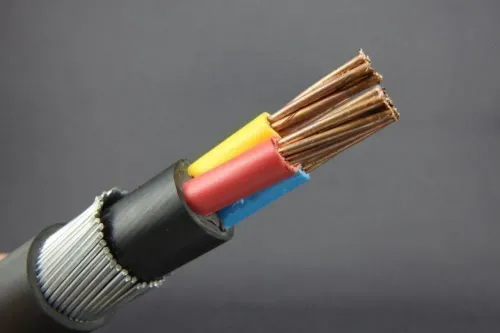
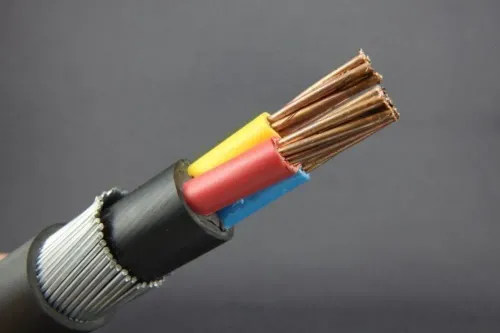
| Screen | Copper braid, wire screen or concentric screen; cross-sectional area or coverage | These constructions are not interchangeable for earthing, flexibility or mechanical stress |
| Movement rating | Fixed installation or repeated flexing; permitted cycles, travel, speed, acceleration and torsion | A fixed-installation cable can fail early in a drag chain or moving machine |
| Installation limits | Manufacturer’s minimum radius for fixed bends and repeated flexing, plus the applicable standard | A tight bend can deform the screen and stress insulation without cutting the sheath |
Give the polycab screened cable dealer the exposure conditions too: oil, hydraulic fluid, solvents, sunlight, ozone-generating equipment and hot surfaces. State the required fire-performance rating and termination type rather than accepting a generic equivalent.
Ask Prabhat Cables Pvt. Ltd for the original drum label, current datasheet, batch or lot traceability, manufacturing date, packing condition and certificate of conformity or routine-test documentation. Reject a drum with missing identification, damaged packing or documents that do not match the quoted construction.
Related product
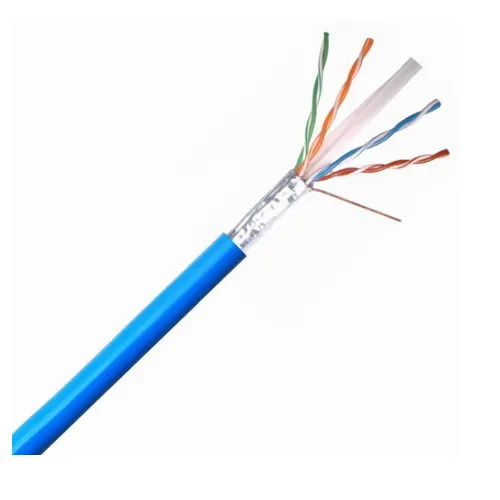 | Polycab Screened Cables Polycab screened cables are power cables designed with a metallic shield (screen) to minimize electromagnetic interference (EMI) and ensure signal... View product → |
Install and Route the Cable Without Overloading Its Screen or Sheath
The permitted minimum bend radius is not a universal number. Use the current manufacturer’s datasheet and cable marking, separating the limit for a fixed bend from the limit for repeated flexing. A tighter bend can deform the screen, concentrate stress in the insulation and shorten sheath life without leaving a visible cut.
Use these route controls throughout installation and operation:
- Support the cable at the intervals and with the clamps specified for its construction; do not crush the sheath or grip the screen as a load-bearing member.
- Leave movement loops only where the product data permits them. For repeated flexing, confirm cycle count, travel, speed, acceleration, torsion and minimum radius; never use a fixed-installation cable in a drag chain.
- Prevent unsupported loops, sharp entry bends and twisting at glands or terminations. Provide strain relief so machine movement does not pull on the screen connection.
- Protect sections crossing metal edges, traffic paths or abrasive supports with suitable guarding, and correct any point where the cable rubs metalwork.
- Keep the route away from heat, oil, chemicals and sunlight when the sheath rating does not cover that exposure.
Build your polycab rubber cable screened cable for care plan around the recorded radius, support arrangement and route hazards. Inspect bends, clamps, cable entries and moving-machine interfaces for flattening, abrasion, swelling, cracking, exposed braid and heat discolouration.
Photograph changes and record corrective work; ask a polycab screened cable dealer for the exact installation data when the marking or datasheet is missing.
Frequently asked questions
How should you inspect screened cable safely in Vadodara?
Isolate the circuit, apply lockout/tagout, prove the tester on a known live source, test for absence of voltage and prove the tester again. Inspect for sheath cuts, swelling, cracking, contamination, heat damage and water entry.
How should you clean and store rubber screened cable?
Clean the sheath with a dry or lightly damp cloth and remove oil, mud and chemical residue without using solvents that attack rubber. Store the drum upright on firm ground, keep it covered from rain and direct sunlight, and protect the cable from impact.
What must you check before re-energising screened cable?
Inspect the screen, glands, lugs, seals and terminations. Confirm screen continuity, check insulation resistance with the specified test method, verify phase identification and remove all temporary earths and tools before following the site energisation procedure.
What should you confirm before buying a replacement cable?
Match the conductor material and size, rated voltage, number of cores, screen construction, rubber insulation and sheath type, temperature rating, drum length and applicable marking. Compare the cable datasheet with the installation design rather than relying on the product name alone.