A high-rise cable purchase cannot be judged by brand name or a “1.1 kV” invoice description alone. You need to match construction, fire performance, electrical sizing, vertical-installation limits and batch documentation to each circuit, then compare dealers on supply continuity and traceability. By the end, you will have a practical checklist for selecting a supplier and approving every drum before installation.
Key takeaways
- Match each cable’s IS standard, voltage grade, insulation and fire claim to the circuit.
- Use fire-resistant cables only for circuits that must operate during a fire.
- Calculate ampacity, voltage drop and short-circuit withstand before approving sizes.
- Demand a complete cable schedule, test certificates, drum labels and delivery records.
What construction and fire claims should you verify before approving a high-rise cable?
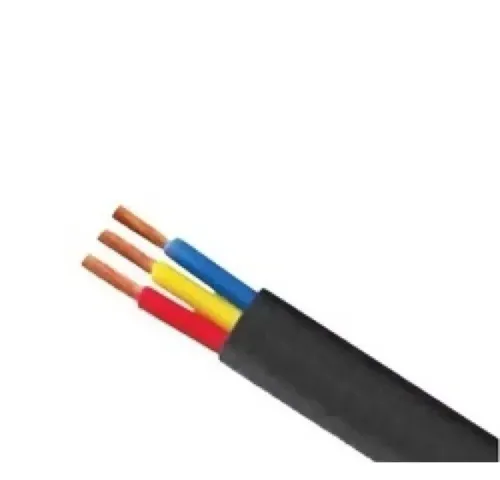
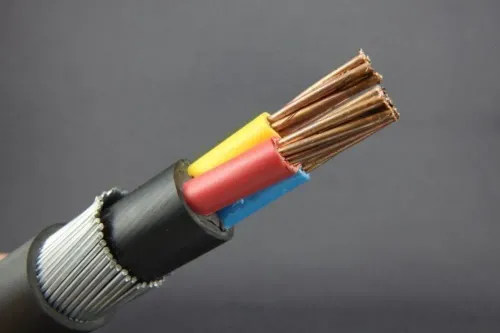
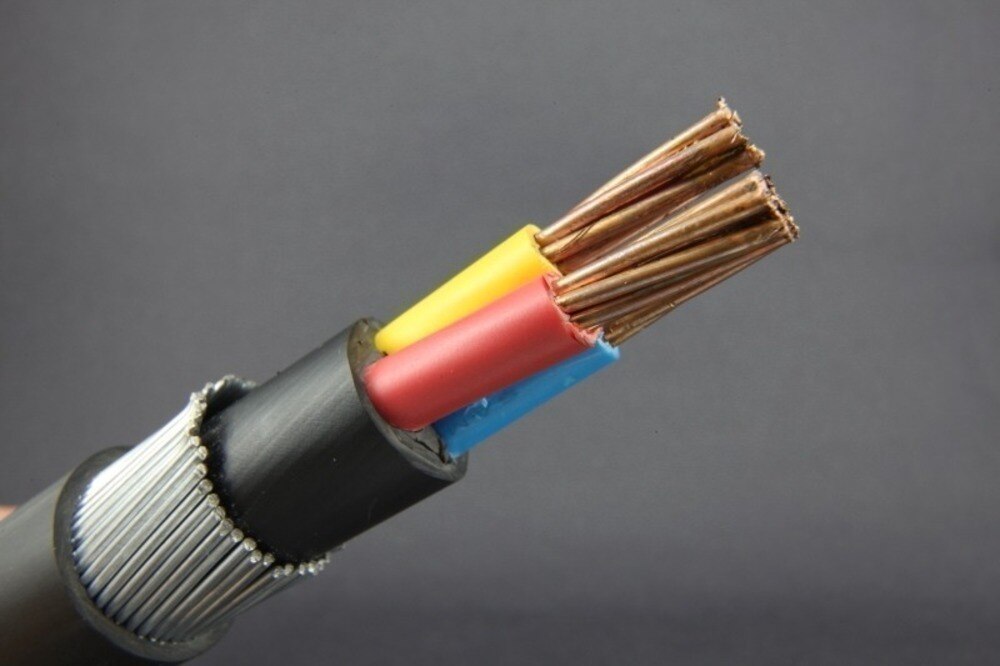
A high-rise cable is suitable only when its construction and fire claim match the circuit specification. Verify conductor material and class, cross-sectional area, number of cores, insulation compound, sheath, voltage grade and applicable Indian Standard on the datasheet, drum label and test certificate.
IS 694 covers PVC-insulated wires and cables up to and including 1,100 V; XLPE power cables fall under the applicable IS 7098 series. “Polycab 1.1 kV cable” alone is not enough.
The phrase “polycab highrise cables benefits” should mean a defined fire-performance claim, not a brand assumption.
| Option | What it means | What to verify |
|---|---|---|
| Ordinary PVC building wire | PVC insulation for standard building circuits; it is not automatically low-smoke or fire-survival cable | IS 694, voltage grade, conductor class and size |
| XLPE cable | XLPE insulation with higher thermal capability than ordinary PVC; it does not automatically provide fire survival | Applicable IS 7098 part, operating temperature, sheath and test certificate |
| FR or FRLS cable | Flame retardance limits flame spread; FRLS also targets reduced smoke | Named test method, such as IEC 60332 and smoke test evidence; FR, FRLS and LSZH are not interchangeable |
| Fire-resistant cable | Designed to maintain circuit integrity during specified fire exposure | IEC 60331 or the project’s specified test, duration, supports, joints and terminations |
Do not approve “fire-rated” on a catalogue headline alone. Ask for the exact certificate and confirm whether the claim covers low smoke, halogen-free construction, flame spread, toxic emissions or circuit survival. A fire-resistant cable still fails the emergency circuit if its cleats, joints, supports or route cannot maintain the required integrity.
Where should each cable type be used across a high-rise building?
Assign the cable by circuit duty, not by floor location. A riser feeder needs ampacity, voltage-drop and fault withstand; it does not become fire-resistant merely because it runs through a shaft.
| Circuit or location | Suitable cable direction | Check before approval |
|---|---|---|
| Riser feeders | 1.1 kV XLPE power cable, with grouping and ambient derating applied | Confirm conductor size, cores, voltage grade and applicable IS 7098 part |
| Apartment circuits | PVC-insulated building wire or cable rated for the circuit voltage; FRLS where the project specification requires reduced smoke | Match the product to IS 694 and the approved wiring method |
| Fire pumps, smoke-control fans and emergency lighting | Fire-resistant or circuit-integrity cable for the specified survival duration | Verify the complete tested system, including cleats, supports, joints and terminations |
| Fire alarms | The fire-alarm cable specified for the panel and required circuit-integrity period | Check compatibility, screening and the installation route; FR alone does not prove continued operation |
| Lifts | Manufacturer-approved lift and power cables, separated from unrelated circuits | Confirm flexing, mechanical protection, voltage drop and lift-controller requirements |
| Basements and escape routes | FRLS or LSZH where smoke, halogen and flame-spread limits apply | Check each claim on the datasheet and test certificate |
| Common-area services | Cable matched to lighting, pumps, ventilation or access-control load | Do not substitute a fire-resistant cable for ordinary services without a design reason |
A Polycab highrise cable dealer in Vadodara should quote the exact construction, standard, fire designation and drum length. “FR”, “FRLS” and “LSZH” describe different properties, not interchangeable grades.
How should you size high-rise cables for load, voltage drop and fault conditions?
Accept a vertical conductor size only after the design shows three checks: ampacity, voltage drop and short-circuit withstand. A single catalogue current rating is not enough for cables grouped in a riser.
1. State the design current from connected load, demand factor, diversity and power factor. Show the route length from the transformer or main switchboard to each distribution board, including vertical and horizontal sections.
2. Apply the actual installation corrections: grouping with adjacent circuits, ambient temperature inside the shaft, thermal insulation, tray or conduit arrangement, number of loaded cores, and ventilation. Show the corrected ampacity after every factor, not just the final cable size.
3. Calculate voltage drop using conductor resistance, reactance, route length, design current and power factor. Compare the result with the project’s permitted limit for the feeder and the complete circuit; a cable that passes ampacity can still leave upper floors with unacceptable voltage.
4. Check fault duty using prospective short-circuit current, protective-device clearing time and the cable’s adiabatic short-circuit rating. Show the k value and confirm that phase, neutral and protective conductors withstand the fault.
Ask a polycab cable and wire dealer for highrise buildings in vadodara to attach the datasheet showing conductor resistance, voltage grade, conductor class and applicable IS standard. Reject a quote that gives only “1.1 kV cable” without these calculations and corrections.
What installation controls prevent failures in vertical risers and emergency circuits?
Control the pull before cable enters the shaft. Apply the manufacturer’s stated maximum pulling tension, minimum bending radius and vertical-support spacing for the quoted construction; electrical size alone does not protect insulation or terminations.
- Use rollers at bends and shaft entries; never drag cable across tray edges or concrete.
- Support the cable weight with approved riser cleats or brackets at the specified spacing, without loading a gland or termination.
- Check tray fill, bend space and access before pulling. Congestion prevents cooling, raises derating needs and makes later inspection difficult.
- Apply grouping and ambient-temperature correction factors to the riser route, not the single-cable catalogue ampacity.
- Seal every floor penetration with a tested fire-stop system compatible with the cable and opening. Do not pack gaps with ordinary foam.
- Keep emergency circuits separated from normal power, and protect them from damage during later construction work.
For fire pumps, smoke-control fans, fire alarms and emergency lighting, match the cable to the specified circuit-integrity duration and installation system. A fire-resistant cable alone is insufficient if its cleats, supports, joints, termination hardware or route fail under the same fire exposure.
Search claims such as “polycab highrise cables benefits” only matter when tied to a defined test. Flame-retardant or FRLS construction limits flame spread or smoke under its test; it does not keep a circuit running. Confirm whether the project requires fire-resistant, circuit-integrity, LSZH or another named designation, with its test certificate.
What should a Vadodara dealer quote, document and deliver for the complete cable schedule?
A complete quote must identify every cable by conductor material and class, insulation type, voltage grade, fire designation, size, core count, applicable IS or IEC standard, route quantity and required drum length. “FR,” “FRLS” and “LSZH” are different claims, not interchangeable labels.
Compare each highrise building cable supplier in Vadodara against this evidence:
| Check | Accept | Red flag |
|---|---|---|
| Specification | Quote matches the approved schedule, datasheet and drum label, including standard number and voltage grade | “Equivalent” or “highrise cable” without construction details |
| Batch evidence | Manufacturer’s test certificate or routine-test record states batch, conductor resistance, insulation resistance, dimensions and voltage grade | Certificate missing, generic, or unrelated to the drum |
| Drum lengths | Route-wise lengths, permitted joint locations, wastage allowance and unused-cable return terms are written | Short drums that create unplanned riser joints |
| Delivery | Lead time covers feeders, earthing, control, fire-alarm and flexible cables, with partial-delivery dates | Main cables arrive while small commissioning cables remain pending |
| Storage | Sealed drums, intact end caps, raised off ground and protected from sun, monsoon moisture and standing water | Outdoor storage without cover or damaged ends |
| Replacement | Written process for shortage, damage and approved-equivalent substitution before dispatch | Substitution made without electrical-consultant acceptance |
Before installation, reconcile each drum number and certificate with the purchase order. Prabhat Cables Pvt. Ltd can be assessed on the same schedule-wide evidence rather than brand availability alone.
Related product
 | Polycab Highrise Cables Polycab Highrise Cables are a range of wires and cables specifically designed for use in high-rise buildings, prioritizing safety and performance in... View product → |
Frequently asked questions
What construction and fire claims should you verify before approving a high-rise cable?
Check the conductor material and class, cross-sectional area, core count, insulation compound, sheath, voltage grade and applicable Indian Standard against the datasheet, drum label and test certificate. Treat claims such as flame-retardant, low-smoke, zero-halogen or fire-resistant as separate performance claims and request the supporting test evidence.
Where should each cable type be used across a high-rise building?
Use the cable construction specified for each circuit: standard power and lighting cables for ordinary distribution, armoured cables where mechanical protection is required, fire-resistant cables for circuits that must operate during a fire, and low-smoke or zero-halogen products where the project specification requires reduced smoke or corrosive gases. Confirm the consultant’s schedule before substitution.
How should you size high-rise cables for load, voltage drop and fault conditions?
Start with design current, then apply grouping, ambient-temperature, installation-method and harmonic corrections. Check the permitted voltage drop for the circuit, calculate the prospective short-circuit current and verify the cable’s short-circuit withstand. Select protective-device ratings and cable sizes together.
What installation controls prevent failures in vertical risers and emergency circuits?
Control bend radius, pulling tension, support spacing, gland selection, termination torque, phase identification and fire-stopping at every floor penetration. Separate emergency circuits from normal services, protect cables from water and construction damage, and record insulation-resistance and continuity test results.
What should a Vadodara dealer quote, document and deliver for the complete cable schedule?
Request a line-by-line quote showing cable type, size, cores, voltage grade, quantity, drum length, delivery sequence and approved manufacturer reference. Require datasheets, test certificates, drum labels, batch details, inspection records, cut-length policy and a delivery schedule matched to the project’s cable schedule.