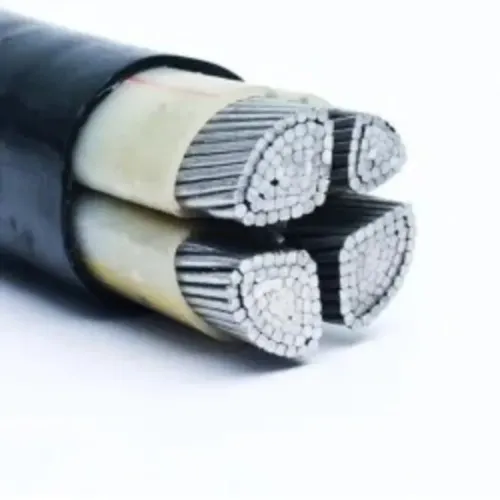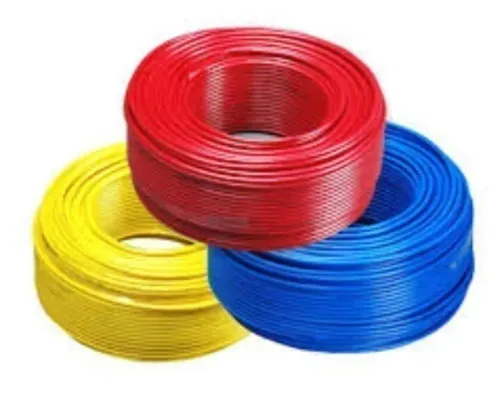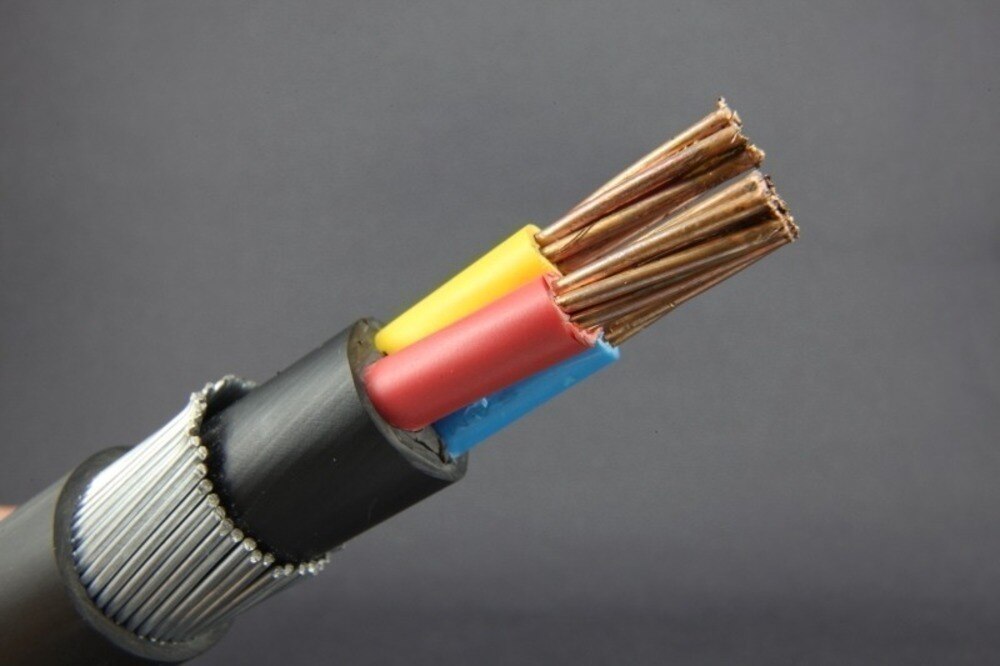
A successful riser installation starts with the approved cable specification, not the building height or a product phrase. You will be able to plan the route, control the pull, protect every penetration, verify each termination and assemble the records needed before energisation.
Key takeaways
- Freeze the cable’s electrical and fire-performance specification before ordering.
- Survey riser dimensions, access points and pulling hazards before delivery.
- Install supports, segregation and fire-stopping at every floor penetration.
- Record test results, termination details and floor-by-floor handover evidence.
Fix the cable specification before anyone orders a drum
The design team must freeze the cable’s electrical and fire-performance specification before requesting a drum. “Polycab Flame Retardant Highrise Cable” describes a product family, not a complete engineering choice; the phrase “polycab flame retardant cable highrise for installation in chennai” is not a substitute for the approved design.
1. Confirm the exact Polycab catalogue designation and current datasheet, including copper or aluminium conductor, conductor class, insulation and sheath materials, voltage grade, core count, cross-sectional area, fire-performance marking and applicable standard, such as IS 694 or IS 7098.
2. Calculate size from design load and installation method, not building height. Check continuous current, grouping, Chennai ambient-temperature derating, voltage drop, prospective short-circuit withstand, protective-device coordination and permitted conductor operating temperature.
3. Mark the circuit’s role on the single-line diagram. Flame-retardant construction limits flame spread; it does not maintain circuit operation during a fire.
Fire pumps, smoke-control fans, fire alarms, emergency lighting and other life-safety circuits may need fire-resistant cable, protected routing or both under the National Building Code of India 2016 and the fire consultant’s specification.
4. Match drum lengths to measured riser lengths, termination allowances and approved joint locations. Keep every joint and termination accessible; never plan an unapproved joint inside a shaft, wall or floor penetration.
Record the approved datasheet, calculation, drawings and fire consultant’s requirements in the purchase schedule. A drum ordered against only “high-rise FR cable” can arrive with the wrong conductor, core configuration or fire-performance rating.
Survey the Chennai riser and execute a controlled cable pull
Measure the riser before bringing the drum to site. A proper Polycab highrise cable installation in Chennai starts with a route survey, not an improvised rope pull: record the shaft height, offsets, openings, bend points, entry and exit geometry, and the measured length between termination points.
1. Clear the shaft of shuttering waste, standing water, loose metal and sharp edges. Check every sleeve, tray edge and penetration for burrs, confirm adequate lighting, and keep the route accessible from the drum position to the final termination.
2. Match drum lengths to the measured route, termination allowances and approved joint locations. Keep any joint accessible; never bury it inside a shaft, wall or floor penetration. Seal both cable ends until termination to block Chennai’s humid, saline air.
3. Prepare a written pull plan showing the cable’s minimum installation temperature, maximum pulling tension, minimum bend radius, allowable sidewall pressure, roller spacing and winch arrangement. Confirm these values against the Polycab datasheet; exceeding them can damage insulation or the sheath without leaving a visible mark.
4. Position the drum so it pays off from the top, or as the manufacturer’s instructions require, and place rollers at every bend and along the straight run. Use a swivel-approved pulling grip, steady winch speed and radio communication between operators; stop immediately if the cable snags, twists, flattens or exceeds the planned tension.
After the pull, inspect the sheath for cuts, crushing and kinks, then cap the ends again. Do not leave the cable hanging from a gland or lug while the shaft work continues; arrange the independent supports before loading the terminations.
Support, segregate and fire-stop every vertical run
Fix each vertical run to a designed support system, not to its gland, lug or termination. Use cleats, clamps or tray systems rated for the cable’s weight, construction and prospective short-circuit forces; set spacing and anchor details from the cable manufacturer’s instructions and the approved design.
A long unsupported drop can pull terminals loose or fail during a fault.
- Install supports independently of switchboards, joints and equipment.
- Protect the cable from sharp tray edges, movement at slab openings and impact at accessible shaft levels.
- Keep power, emergency, fire-alarm, control, data and other incompatible services in their specified trays, compartments or clearances.
- Keep joints and terminations accessible; never bury an unplanned joint inside a wall, slab or closed shaft.
At every floor penetration, pack the annular gap with a tested fire-stopping system that matches the wall or slab fire rating and the cable arrangement. Seal around each cable or approved bundle, maintain the manufacturer’s installation depth, and label the fire-stop after inspection.
Do not substitute ordinary foam, mortar or loose mineral wool without a tested system; smoke and hot gases can bypass an incomplete seal.
For polycab highrise cable installation in Chennai, verify that the shaft enclosure, access doors and smoke-control provisions meet the approved fire strategy. Polycab flame retardant highrise cable limits flame spread; it does not preserve circuit operation during fire.
Fire pumps, smoke-control fans, alarms and emergency systems need separately specified fire-survival cables or protected routes, as the design requires.
Terminate, test and document the completed installation
A cable end with damaged insulation, moisture or an unsealed sheath is not ready for termination. The label polycab flame retardant cable highrise for installation in chennai does not replace the approved datasheet: match the cable size, core identification, gland, lug, enclosure and protective conductor before cutting the end.
- Isolate and clean the termination area. Keep each cable end sealed until work begins, then inspect for moisture, crushed insulation and sheath damage. Reject or escalate any defect.
- Strip the sheath to the approved dimension without nicking insulation. Fit the correct gland, earth tag or bonding arrangement, and compression lug for the conductor material and cross-section.
- Crimp lugs with the manufacturer-approved die, apply the specified torque to terminals, and maintain the required bending radius. Do not bury a joint or termination inside a shaft, wall or floor penetration.
- Label every core and both cable ends, then verify continuity, core identification, phase sequence and protective-conductor continuity before connecting the feeder.
- Perform insulation-resistance testing and any specified sheath or high-voltage test only at the voltage, duration and acceptance limit stated by the applicable Indian Standard, project specification and cable manufacturer.
Record the cable designation, drum or batch number, circuit, test instrument serial number, calibration date, test voltage, readings, ambient condition, termination torque and inspector’s name. Attach marked-up drawings and photographs of accessible glands, joints, fire-stopping and labels. Energise only after the engineer accepts the completed test sheet and protective-device settings.
Coordinate supply, delivery and floor-by-floor handover
Release cable by riser and floor zone, not as one bulk shipment. Match each drum to the measured route length, termination allowance and approved joint location; an avoidable mid-riser joint creates extra inspection and fire-stopping work.
Your purchase package must identify:
- The current Polycab datasheet revision, exact catalogue designation, size, core count, conductor material and voltage grade.
- The applicable Indian Standard and required fire-performance marking.
- Drum length, quantity, batch or lot number and the delivery sequence for each riser or floor zone.
- Factory test certificates, packing requirements and the person authorised to approve substitutions.
- The inspection record required before a drum is released to the installation team.
If Prabhat Cables Pvt. Ltd is your appointed highrise electrical cable dealer in chennai, require the same package before accepting polycab highrise cable supply; a dealer’s name does not replace revision and batch control.
Schedule delivery around hoist access, floor readiness and the approved pulling plan. Keep drums upright on their flanges in a covered, dry area, protect cable ends from water, and quarantine any drum with damaged packing, exposed ends or an unreadable label.
Issue one floor or riser quantity at a time. The site supervisor should sign for the drum, record its batch number, confirm the route, and return unused length to controlled storage. Do not let a replacement drum enter the workfront without design approval.
Close each floor with a joint inspection: route installed, supports complete, penetrations fire-stopped, labels fixed, test results filed and drawings marked up. Hold energisation until those records match the delivered cable.
Related products
 | Polycab Highrise Cables Polycab Highrise Cables are a range of wires and cables specifically designed for use in high-rise buildings, prioritizing safety and performance in... View product → |
 | Polycab Conduit refers to the electrical conduits manufactured by Polycab, a leading manufacturer and distributor of electrical products. View product → |
Frequently asked questions
What must be fixed before ordering a Polycab flame retardant highrise cable drum?
Freeze the approved electrical and fire-performance specification, including the cable type, conductor details, voltage requirements, route and termination plan.
How should a high-rise cable pull be planned in Chennai?
Survey the riser, confirm drum access and pulling routes, check obstructions, and execute a controlled pull with coordinated floor access.
What must be installed along a vertical high-rise cable run?
Provide correctly spaced supports, maintain segregation from other services, protect the cable from damage, and fire-stop every floor penetration.
What records should be completed after installation?
Document terminations, test results, route details, cable identification and floor-by-floor handover evidence before closing the installation.
Related product
 | POLYCAB CABLE GLANDS Weatherproof DC Cable Gland Archives - ICCPolycab cable glands are mechanical devices designed to terminate and secure electrical cables, providing... View product → |