A rooftop photovoltaic system does not become safe or compliant simply because a cable carries an FR or FRLS label. You will be able to separate PV-rated DC cable requirements from AC building wiring, size the conductors for Raipur conditions, and verify whether a supplied cable matches the approved design.
Key takeaways
- Use PV-rated solar cable for exposed rooftop DC circuits.
- Use separately specified AC cable from inverter to the distribution board.
- Size cable for current, voltage drop, temperature, and installation length.
- Demand datasheets, test reports, batch details, and genuine product packaging.
Which cable belongs on the rooftop DC side and which belongs on the AC side?
Use a PV-rated solar cable for exposed rooftop DC runs, not ordinary flame-retardant building wire. Module-to-inverter string circuits need cable qualified for photovoltaic service; the inverter output and building distribution need separately specified AC power cables.
Choose both only when the design requires PV performance on the DC route and flame performance on an AC route or fire separation.
FR labels describe different protections:
| Option | What it means | Rooftop relevance |
|---|---|---|
| FR | Flame retardant; limits flame spread after ignition | Does not prove photovoltaic suitability |
| FRLS | Flame retardant, low smoke | Useful only where the specified AC cable requires it |
| FRLSH | Flame retardant, low smoke, halogen-reduced | Follow the project specification |
| LSZH | Low smoke, zero halogen | A smoke and corrosive-gas requirement, not a PV rating |
| Fire-survival | Maintains circuit operation during a defined fire exposure | Use only where circuit continuity is required |
A generic FR claim proves nothing about UV, ozone, rain, moisture, cyclic heating or DC voltage. Check IEC 62930 or EN 50618 marking where applicable, the DC voltage class, conductor class, temperature rating, UV-resistance marking, double insulation and any Indian Standard marking specified by the project.
That applies whether you are comparing a polycab flame retardant cable solar product or searching for polycab solar cable in raipur. Select the PV-rated cable first; add flame-performance requirements only when the design or fire-separation rules call for them.
How should you size solar cable for Raipur’s rooftop conditions?
Use the string short-circuit current, not inverter kW, to size each DC string cable. Set design current from the module or string Isc multiplied by the project’s design factor; then check derated ampacity: base ampacity × temperature, grouping and installation factors must exceed that current.
Measure L as the one-way distance. Calculate two-way voltage drop with ΔV = 2 × L × I × R, using conductor resistance at the operating temperature, and keep it within the project’s stated limit.
A larger conductor can cut energy loss and termination stress on a long route even when a smaller size passes ampacity.
Installation changes the answer:
| Installation | Effect on usable ampacity | Check |
|---|---|---|
| Free air | Best heat dissipation | Manufacturer’s free-air rating |
| Roof-clipped | Roof heat raises cable temperature | Roof ambient and mounting correction |
| Conduit | Heat escapes poorly | Conduit fill and ambient factor |
| Grouped | Adjacent circuits add heat | Number of loaded cables and grouping factor |
A printed 90°C or 120°C conductor limit is not the ambient limit. Check the manufacturer’s stated ambient range, conductor operating-temperature limit and correction tables; never rely on the word solar alone.
For polycab solar cable in raipur, allow for dust-covered surfaces, monsoon water, hot metal roofs and long routes to the inverter. Recalculate after grouping, conduit changes or route extensions. Use the manufacturer’s exact ampacity data for the selected cross-section.
What installation details prevent rooftop cable damage and DC faults?
Route positive and negative conductors together along the planned path, secured above the roof rather than dangling beneath modules. Keep both away from sharp metal edges, standing water and abrasive surfaces; unsupported loops can chafe, retain water at connectors and create DC faults.
- Use outdoor-rated clips or supports at intervals specified by the cable manufacturer. Protect routes from maintenance foot traffic with conduit or a guarded pathway, and keep cables clear of panel frames, roof fasteners and drainage channels.
- Respect the cable’s minimum bend radius. Leave no tight bend at modules, junction boxes or the inverter, and allow controlled movement between modules without pulling connectors or rubbing insulation.
- Match cable diameter, insulation thickness and conductor size to the PV connectors, cable glands, junction boxes, isolators and inverter terminals. Use the correct contact size, the approved crimp tool and a fully locked connector; never mix connector brands or systems because similar housings look compatible.
- Install PV-rated string fuses or overcurrent protection, DC isolators, surge protection and earthing for the system voltage and prospective fault current. AC-rated devices are not automatically suitable on PV DC circuits.
A Polycab flame-retardant cable or solar cable in Raipur still needs inspection against the design and installation conditions. Flame retardance does not make a cable fireproof, replace DC protection or prevent faults caused by poor routing, incorrect crimps, moisture and abrasion.
What should you demand from a solar cable dealer before accepting the supply?
Reject the delivery if the drum, coil or seal is damaged; a listing called “polycab flame retardant cable solar” proves nothing about photovoltaic suitability. A Raipur receiving checklist should record:
- Manufacturer name, cable designation, conductor cross-section, DC voltage and temperature ratings, polarity identification, printed metre marks, drum or coil length, batch or manufacturing date, and certificate or test-report references.
- Exact-size datasheet, declaration of conformity or test report, batch traceability, warranty terms, and written confirmation that the delivered cable matches the approved design.
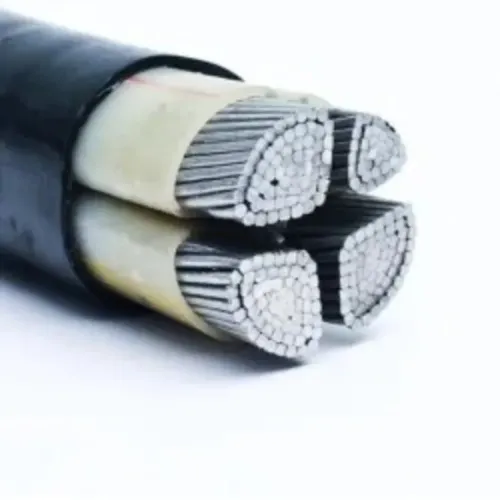
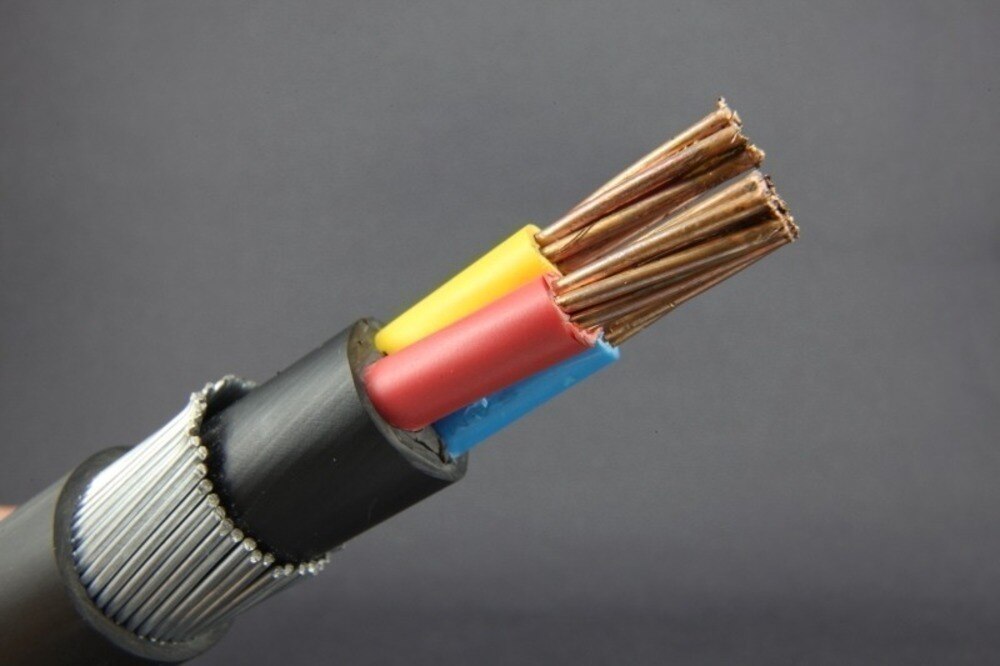
- Conductor material verified as copper or aluminium from the marking and material declaration; confirm stranded construction from the datasheet or a cut sample, not appearance alone.
- Conductor resistance checked against the exact-size datasheet at 20°C, with the test method and result recorded.
- Insulation thickness measured at several points on a cut sample with a micrometer and compared with the datasheet value; do not accept the nominal label without evidence.
Compare the complete installed cost, not only the metre rate:
| Option | What to include | Risk |
|---|---|---|
| PV cable | Rooftop cable, compatible connectors, glands, conduit, labour and testing | Higher purchase cost, traceable performance |
| Generic wire | Lower cable price | Connector mismatch, outdoor failure and replacement cost |
Ask a solar cable dealer in raipur, such as Prabhat Cables Pvt. Ltd, to match traceable Polycab documentation to the approved design. This saves guesswork during inspection, warranty claims and later replacement. Compare cable losses, connector quality, labour, testing and replacement against the cheaper offer.
Related product
 | Polycab Solar Cables Polycab solar cables are specifically designed for solar power systems, offering high-quality, reliable, and durable wiring solutions for efficient... View product → |
When is the Polycab solar-and-flame-retardant combination the right choice?
Use a Polycab PV-rated solar cable for module-to-inverter DC circuits only when its IEC 62930 or EN 50618 documentation, UV and weather ratings, temperature limits, DC voltage class and connector compatibility match the design. A flame-retardant label alone does not qualify an indoor wire for sunlight, rain, ozone or rooftop heat.
| Option | Correct application | Failure if misapplied |
|---|---|---|
| PV-rated solar cable | Exposed module-to-inverter DC circuits | UV damage, moisture ingress or DC faults |
| Flame-retardant building cable | AC inverter output and building distribution when specified | Indoor FR or FRLS wire outdoors can fail |
| Fire-resistant cable | Circuits required to operate during a defined fire exposure | FR cable cannot provide circuit survival |
For a Polycab solar cable in Raipur, approve the exact size after checking:
- System DC voltage, string current, short-circuit design current and cable ampacity.
- One-way run length, two-way voltage drop and the project’s allowable voltage-drop limit.
- Roof route, conduit or free-air installation, ambient heat, grouping and roof-surface temperature.
- PV connector system, contact size, glands, inverter terminals and approved installer sign-off.
- Fire-separation requirements: use a separately specified flame-retardant AC cable where that classification is required.
The wrong choice is a cable without photovoltaic DC, UV or weather ratings, an indoor FR or FRLS wire outdoors, a size chosen without ampacity and voltage-drop calculations, or FR cable where fire-resistant circuit survival is required. Choose both only when each cable serves the route and rating for which it was tested.
Frequently asked questions
Which cable belongs on the rooftop DC side and which belongs on the AC side?
Use PV-rated solar cable for module-to-inverter string circuits and exposed rooftop DC runs. Use separately specified AC power cable for the inverter output, isolator, distribution board, and building wiring. Flame-retardant building wire does not replace PV-rated cable on the DC side.
How should you size solar cable for Raipur’s rooftop conditions?
Check the string’s maximum current, cable length, allowable voltage drop, conductor cross-section, insulation temperature rating, grouping, and rooftop heat exposure. Use the manufacturer’s current-carrying tables and calculate voltage drop for the complete positive and negative circuit path.
What installation details prevent rooftop cable damage and DC faults?
Keep cables off sharp roof edges, secure them with UV-resistant clips, maintain bend-radius limits, separate positive and negative conductors from abrasion points, and use compatible MC4-type connectors. Do not leave connectors lying in water or mix connector brands without written compatibility confirmation.
What should you demand from a solar cable dealer before accepting the supply?
Ask for the product datasheet, applicable PV cable standard reference, conductor size, voltage and temperature ratings, manufacturer details, batch or lot number, test documents, invoice, and sealed packaging. Inspect the printed cable markings and reject damaged or untraceable coils.
When is the Polycab solar-and-flame-retardant combination the right choice?
Choose Polycab solar cable for PV DC circuits when its rating and documentation match the system design. Choose Polycab flame-retardant cable for the specified AC building circuits when its conductor size, insulation rating, installation method, and electrical schedule match the load.