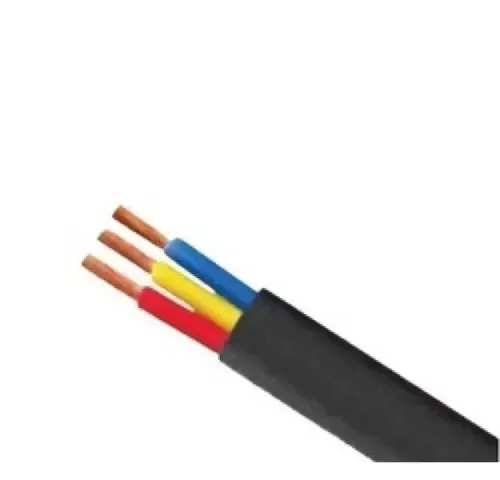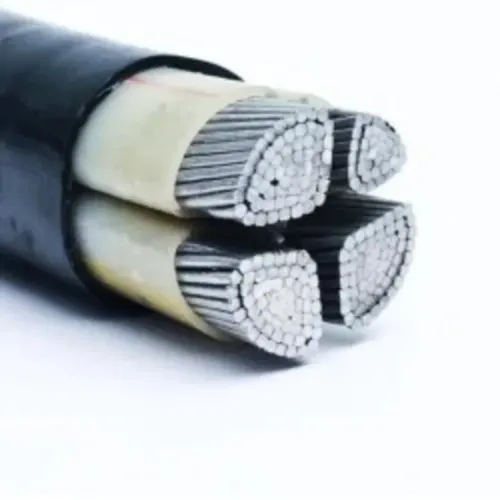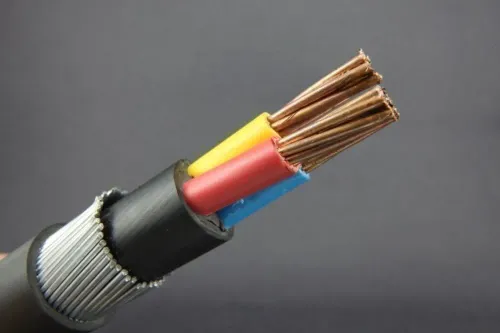
A rubber electrical cable and an optical-fibre cable do different jobs: one delivers power to active equipment, while the other carries data as light. By separating those functions, calculating the electrical load and checking the fibre construction, you can order a cable system that works in a rack, cabinet, outdoor route or temporary installation without confusing power requirements with data-link requirements.
Key takeaways
- Separate power cables from optical data links to reduce interference and simplify maintenance.
- Size rubber cable by load, distance, voltage drop and movement—not conductor size alone.
- Match fibre construction and fibre count to the route, bend radius and network design.
- Request datasheets, markings, test reports and traceable product details before purchase.
Separate the power cable from the optical data link
An optical-fibre link carries data as light through glass fibres; a polycab rubber cable carries electrical power or control signals. Its job is to energise switches, OLTs, media converters, cameras, cabinets, UPS units, generators or temporary site equipment.
It is not a substitute for the fibre cable and does not form part of the data path.
For a polycab rubber cable, confirm these power-cable details before ordering:
- Conductor count, copper cross-sectional area in mm², earthing conductor and required current capacity
- Rated voltage, such as 450/750 V or 0.6/1 kV, only after verifying the specific model
- Insulation and sheath material, operating-temperature range, and resistance to outdoor moisture, oil or chemicals
- Fixed, flexible or repeated-flexing duty, including separate installation and service bend-radius limits
- Voltage drop over the full route, not just the equipment’s nameplate current
- Flame-performance requirement and the IS or IEC standard printed on the datasheet
The search phrase polycab rubber cable optical fibre in bhubaneswar can describe two separate procurement lines. Quote, schedule and test the power cable separately from the optical cable unless a documented hybrid assembly is required.
Select the fibre by single-mode or multimode type, fibre count, loose-tube or tight-buffered construction, indoor or outdoor use, armouring, fire class and connector type. Check the optical budget for attenuation, connectors, splices, splitters, patching margin and engineering reserve; also request the datasheet revision, test certificates, batch number, drum length and outer diameter.
Size the rubber cable for load, distance and movement
Choose the conductor cross-sectional area (mm²), voltage rating and construction together: load sets thermal size, distance sets voltage drop, and movement sets flexibility and sheath durability.
Calculate the equipment’s running current, starting current and expected duty. Then check the cable’s current-carrying capacity after ambient-temperature correction and grouping with other circuits. Select the copper conductor size that keeps voltage drop within the equipment manufacturer’s limit, not merely the size that carries the running current.
Include a dedicated protective earth conductor where the installation requires one.
| Duty | Conductor choice | Construction decision |
|---|---|---|
| Fixed cabinet, switch, OLT or UPS feed | Stranded copper sized for corrected current and voltage drop | Select insulation and sheath for the verified voltage, temperature and route |
| Moving machinery or temporary power | Fine-stranded copper with the required flexing class | Confirm minimum bending radius and repeated-flexing rating |
| Outdoor cabinet or generator connection | Copper size based on distance, fault protection and load | Check water, sunlight, oil and chemical exposure; confirm termination compatibility |
A polycab rubber cable labelled 450/750 V is not interchangeable with one rated 0.6/1 kV. Verify the exact model’s IS or IEC standard, insulation and sheath material, operating-temperature range and flame performance before ordering.
Flexible rubber construction does not automatically make a cable suitable for burial, tray installation or a fire-rated building route. Confirm the gland, lug, terminal size, outer diameter and bending space; a mismatched termination can loosen, overheat or admit water.
Match the fibre cable to the route and network design
Choose the optical link by route and network design, not by the rubber cable’s voltage rating. A rubber cable supplies power to switches, OLTs, media converters, cabinets or cameras; a polycab optical fibre carries data as light. They are separate procurement items unless a documented hybrid assembly is specified.
| Specification | Option | Select it when |
|---|---|---|
| Fibre type | Single-mode | Long campus, backbone or high-bandwidth links |
| Fibre type | Multimode | Shorter data-centre or building links using compatible optics |
| Construction | Loose-tube | Outdoor routes, water exposure, ducting or temperature variation |
| Construction | Tight-buffered | Indoor distribution, patching and easier termination |
| Protection | Armoured | Direct burial, rodent risk or mechanical exposure |
| Fire performance | Indoor-rated jacket and stated fire class | Building risers, trays or occupied spaces |
Also select fibre count, indoor or outdoor jacket, water blocking, connector type and splitter compatibility. A search for “polycab optical fibre” or “polycab fibre cable” does not establish any of these specifications; match the cable to the transceivers, route and termination hardware.
Calculate the optical budget before ordering. Include attenuation at the operating wavelength, connector and splice losses, splitter loss, patching loss and engineering reserve. A cable can meet its catalogue attenuation yet fail after dirty connectors, poor splices or excessive patching.
Check pulling and installed bend radii separately. Exceeding either limit can cause microbending, higher attenuation or sheath damage, even if the initial optical test passes. Record the required fibre standard, count, construction, diameter, bend radius and datasheet revision on the quotation.
Ask the supplier for specifications you can verify
Request two separate, revision-controlled datasheets and two line items on the quotation. A rubber cable carries power to switches, OLTs, media converters, cabinets or cameras; an optical-fibre cable carries data as light. The phrase polycab rubber cable optical fibre in bhubaneswar does not describe one product unless the supplier provides a documented hybrid cable assembly.
1. For the rubber cable, request conductor count, copper cross-sectional area in mm², voltage designation, current rating, voltage-drop calculation, insulation and sheath materials, operating-temperature range, minimum bending radius, flexing duty, earthing conductor and resistance to water, oil or chemicals.
Ask for the applicable IS or IEC standard, test certificates, batch number, drum length and outer diameter. Do not accept 450/750 V or 0.6/1 kV until the model datasheet confirms it.
2. For the fibre cable, specify single-mode or multimode fibre, fibre count, loose-tube or tight-buffered construction, indoor or outdoor use, armouring, fire class, water blocking, cable diameter, bend radius, crush resistance, connector type and datasheet revision. Brand alone proves none of these.
3. Ask for an optical-budget worksheet showing attenuation at each operating wavelength, connector loss, splice loss, splitter loss, patching margin and engineering reserve. A clean catalogue figure cannot rescue dirty connectors, poor splices or an undersized budget.
4. For Bhubaneswar routes, record UV exposure, monsoon water entry, duct drainage, sealed closures and corrosion compatibility of armour and hardware. An optical fibre cable supplier in bhubaneswar should answer these points in writing.
Give Prabhat Cables Pvt. Ltd the same schedule when comparing quotes; it lets you compare identical constructions rather than trade names.
Related product
 | Polycab Optical Fibre Polycab Optical Fiber refers to the Optical Fiber Cables (OFCs) manufactured and distributed by Polycab Telecom, a division of Polycab India Ltd. View product → |
Check installation limits and test both systems before handover
Before handover, compare the installed route with the exact datasheet and test the power and data systems separately. A Polycab fibre cable carries data as light; a rubber electrical cable supplies power to switches, OLTs, media converters, cabinets or cameras. A Polycab optical fibre specification cannot replace the rubber cable’s voltage, current or earthing requirements.
1. Confirm the delivered construction against the approved schedule: single-mode or multimode fibre, fibre count, loose-tube or tight-buffered design, indoor or outdoor jacket, armour, water blocking and fire performance. For the rubber cable, verify conductor size in mm², voltage rating, insulation, sheath, earthing conductor and termination compatibility.
2. Measure bend radius during pulling and after installation. These limits differ. Exceeding either limit can increase attenuation, create microbends or damage the sheath, even if the fibre passes its first test.
3. Inspect joints, glands, trays, connectors and labels. Test fibre continuity, polarity, insertion loss and, where specified, OTDR traces; compare results with the link budget and record the fibre ID.
4. Test the rubber circuit for conductor continuity, insulation resistance, earth continuity, correct polarity and voltage at the equipment. Confirm the protective device, load current, grouping correction, ambient-temperature correction and voltage drop before energising.
5. Handover only after recording test results, cable lengths, termination details, route photographs, datasheet revision, batch number and drum identification. Keep these records with the as-built drawing and investigate any failed result before a retest.
Frequently asked questions
Should the rubber power cable share the same route as the optical-fibre cable?
Keep the power cable separate from the optical data link where possible. Separation reduces interference concerns and makes testing, fault-finding and future maintenance easier.
How do you size a rubber cable for an optical-fibre project?
Calculate the connected load, cable length, voltage drop, installation method and movement. Check conductor size, current rating, insulation rating and flexibility against the equipment and route.
How do you choose a fibre cable for the installation route?
Match the fibre cable to indoor or outdoor exposure, duct or aerial installation, bend radius, pulling conditions, fibre count and the network design.
What should you verify with a Polycab cable supplier?
Ask for the product datasheet, cable marking details, conductor size, insulation and sheath specifications, batch information, test documentation and installation limits.