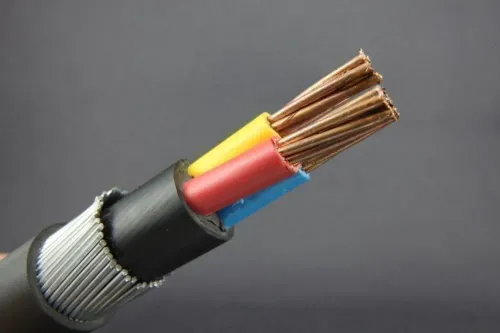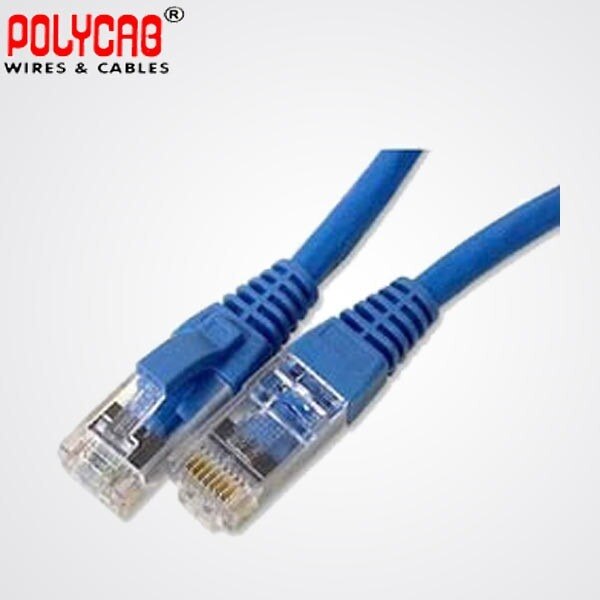
A quote that says only “Cat6 LAN cable” leaves out conductor material, shielding, fire rating, installation environment, usable length and channel-test responsibility. By checking the datasheet, packaging, test records and purchase terms, you can compare equivalent cable and avoid approving a product that fails during termination, PoE operation or site installation.
Key takeaways
- Confirm Cat6 category, channel distance and permanent-link use before comparing prices.
- Ask for copper conductor, AWG, shielding and PoE compatibility details.
- Match the jacket and fire marking to the building and installation environment.
- Put length, format, test records, batch traceability and delivery terms in writing.
Confirm the category, speed and channel distance before comparing prices
A Cat6 label is not enough to approve a purchase. Confirm the exact category, construction and intended use before comparing quotes; a search for “polycab distributor lan cable for details” does not replace a written specification. Ask whether the polycab LAN cable is for a horizontal permanent link, backbone, patching or industrial Ethernet.
| Category | Typical network target | Maximum channel distance |
|---|---|---|
| Cat5e | 100 Mbps or 1 Gbps | 100 m |
| Cat6 | 1 Gbps; 10 Gbps only on shorter channels | 100 m at 1 Gbps; up to 55 m for 10 Gbps, depending on channel conditions |
| Cat6A | 10 Gbps | 100 m |
Treat these figures as channel limits, not simply cable-reel lengths. A structured channel normally allows a 90 m permanent link plus patch cords totalling up to 10 m; connectors, bend radius, untwisting and termination affect the result.
Request the cable’s U/UTP, F/UTP or U/FTP construction and confirm whether screened jacks, patch panels, patch cords and bonding are included. A screened permanent cable alone does not create a screened channel.
Specify solid horizontal cable for IDC outlets and patch panels; stranded patch cable belongs in flexible patching, and swapping them can cause unreliable terminations.
Before price comparison, require return loss, insertion loss, NEXT and ACR-F data for the complete permanent link or channel. Ask every supplier to quote the same basis—box, metre or drum—and separate cable, accessories, freight, taxes and testing.
Check copper, gauge, shielding and PoE compatibility
Specify solid bare copper when you need permanent structured cabling. Copper-clad aluminium (CCA) is not equivalent to standards-compliant copper: its higher resistance increases voltage drop, heating and failure risk, especially with Power over Ethernet (PoE).
Ask for conductor size in AWG, conductor diameter and resistance on the datasheet or drum label. A larger conductor has lower resistance and handles PoE current more comfortably, while solid conductors suit fixed runs and stranded conductors suit patch cords that need repeated flexing. Do not accept “Cat6” or “copper” without these details.
Confirm the construction of the polycab lan cable: U/UTP, F/UTP, U/FTP or another screened design. Shielding helps near motors, switchgear and other electrical-noise sources, but a screened permanent cable alone does not create a screened channel; the jacks, patch panels, patch cords and bonding or earthing must also be compatible.
For PoE, request conductor resistance, DC loop resistance and temperature rating, not just the category label. High-power PoE through a large bundle can produce excessive heat and voltage loss if resistance and bundle temperature are not controlled.
Ask the polycab cable supplier to state these items in the quotation:
- Solid bare copper or stranded copper, with AWG and resistance
- Four twisted pairs and the exact UTP or screened construction
- PoE support data, including DC loop resistance and temperature rating
- Compatible shielded hardware and the required bonding or earthing method
Match the jacket, fire marking and environment to the installation
Specify the jacket and environmental rating for the route, not merely “Cat6.” Indoor cable in a dry, occupied space may use PVC; a low-smoke zero-halogen (LSZH) jacket is the safer specification where smoke and corrosive gases are restricted.
Outdoor cable needs a UV-resistant polyethylene jacket, and a wet route needs water-blocking construction rated for the exposure.
Ask a Polycab distributor to state these details in the quotation:
- Operating and installation temperature range, including the lowest winter temperature and highest space or conduit temperature.
- UV resistance for rooftop, façade, tray or exposed outdoor runs. Ordinary indoor PVC can crack or lose its jacket under sunlight.
- Water protection for damp ducts, underground conduits and areas prone to flooding; confirm whether the cable is water-blocked and whether direct burial is permitted.
- Fire marking and evidence required by the building specification: for example, LSZH, flame-retardant or a project-specific riser, plenum or low-smoke rating.
- The exact test report, such as IEC 60332-1-2 for vertical flame propagation of a single insulated wire or cable, or the stricter multi-cable test named by the project.
- The applicable Indian Standard, IEC report or consultant-approved fire classification, with the document number and tested cable construction.
Cat6 or Cat6A describes transmission performance, not fire compliance. A passing category test cannot substitute for the fire documents required at your site.
Specify length, format, dimensions and termination hardware in the quotation
Do not accept “one box” as a quantity. Ask the Polycab distributor to state the reel or box length, whether it is a nominal 305 m box or a shorter pack, and whether the full stated length is guaranteed usable cable.
- Cable length per box or drum, with the unit price shown per box, metre or drum
- Packaging type, sequential metre marking and any short-length allowance
- Finished outer diameter, minimum bend radius and approximate package dimensions
- Category, pair count, conductor type and jacket marking exactly as printed on the datasheet or label
- Intended use: permanent horizontal link, backbone, patching or industrial Ethernet
2. Specify the termination hardware instead of assuming it is included. List the required RJ45 plugs, patch cords, keystone jacks, modules, patch panels, boots and couplers, and state whether each item must match UTP, FTP or STP construction.
A shielded cable paired with unshielded modules leaves the screen ineffective; incompatible cable diameter can also prevent a reliable plug termination.
3. Compare quotations on the same basis. A polycab distributor lan cable for details request should separate cable, accessories, freight, taxes and testing, while Prabhat Cables Pvt. Ltd can help keep the requested Polycab cable and accessory schedule tied to one written specification.
Inspect delivered boxes or drums for crushed sides, moisture, broken seals and jacket cuts. Match the printed length, category, conductor, jacket rating and batch to the order before installation.
Related product
 | Polycab LAN Cables also known as Ethernet cables, are networking cables designed to connect devices within a local area network (LAN). View product → |
Require test records, traceability and written delivery conditions
A product-family name on an invoice does not prove what arrived. Ask the polycab cable supplier for records that identify the exact cable, its construction and the performance level tested.
- State the intended use in writing: horizontal permanent link, backbone, patching or industrial Ethernet.
- Record the exact category and construction, such as Cat5e U/UTP, Cat6 U/UTP or Cat6A F/UTP. “Cat6” alone does not prove Cat6A compliance.
- Request the datasheet, drum or box label, manufacturing batch or lot number, date code and drum or box identification.
- Obtain a sample test report showing the relevant electrical performance, including insertion loss and crosstalk results, and check that its product description matches the quotation.
- Confirm the conductor material and gauge on the datasheet or label. Reject CCA when the specification requires solid bare copper for permanent structured cabling.
- If the cable is U/UTP, F/UTP or U/FTP, confirm the matching screened jacks, patch panels, patch cords and bonding requirements before delivery.
- Ask for written delivery conditions covering unit basis—box, metre or drum—along with cable, accessories, freight, taxes and testing as separate line items.
- On receipt, photograph labels and seals, count boxes or drums, measure delivered length where required, and compare category, pair count, gauge, jacket marking and batch details with the purchase order.
Use the phrase polycab distributor lan cable for details only as a starting point for enquiry; the written quotation and receiving record must identify the actual goods. A mismatched batch label or missing report is a hold point, not paperwork to complete after installation.
Frequently asked questions
What should you confirm before comparing Polycab LAN cable prices?
Confirm the cable category, rated speed, channel distance and whether you need horizontal permanent-link cable, backbone cable, patch cable or industrial Ethernet.
How do copper, gauge, shielding and PoE compatibility affect LAN cable selection?
Request the conductor material, conductor gauge in AWG, shielding construction and supported PoE standard so you can match the cable to network equipment and power load.
Which jacket and fire-marking details matter for a LAN installation?
Match the jacket material and fire marking to the route, such as indoor building pathways, plenum-like spaces, outdoor exposure, moisture or industrial conditions.
What must a quotation include for Polycab LAN cable?
Specify cable length, solid or stranded format, overall dimensions, connector or termination hardware, test records, batch traceability and written delivery conditions.