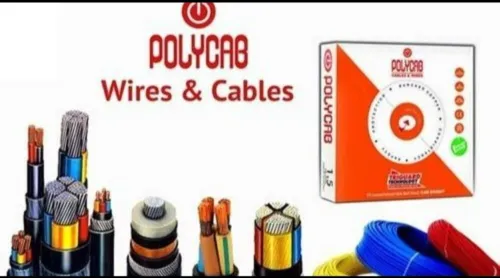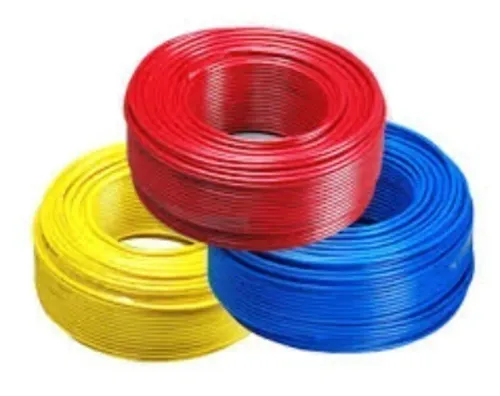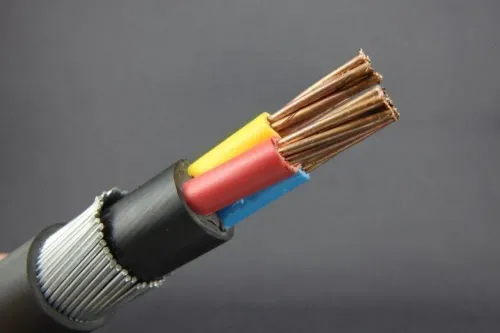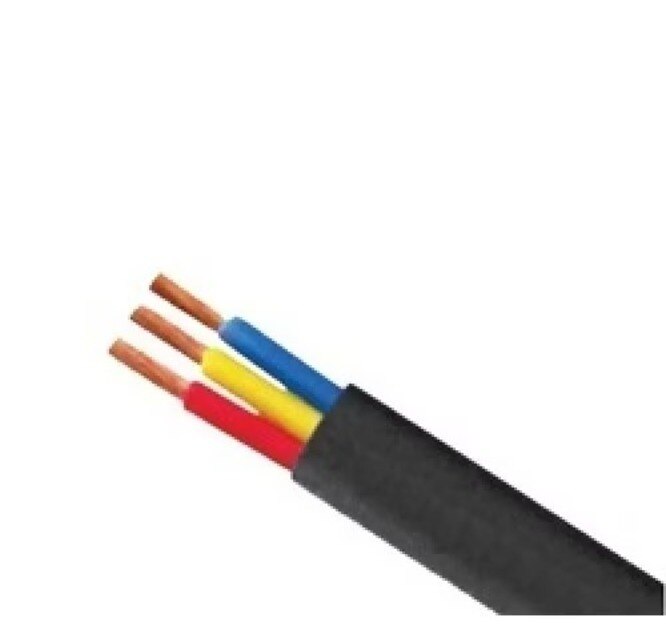
Repeated breaker trips, insulation-resistance failure, earth leakage, hot terminations and burning odours do not prove that the cable itself has failed. By the end, you will have a safe fault-triage sequence, a method for separating cable defects from accessory faults, and a replacement checklist that protects the building from repeat failures.
Key takeaways
- Isolate the circuit and never reset a breaker after smoke, heat, arcing or burning smells.
- Compare cable insulation damage with loose terminals, failed glands, joints or breakers.
- Use insulation resistance and continuity tests only after safe isolation and discharge.
- Replace the cable when testing confirms damage or repair cannot restore reliable insulation.
What to do when a high-rise cable shows fault symptoms
A tripped high-rise cable circuit is a safety event, not a prompt to reset the breaker. Stop using the affected circuit, keep people away from smoke, arcing sounds, burning odour, hot panels or damaged insulation, and call a qualified electrical professional.
If there is fire or active arcing, follow the building emergency plan and contact emergency services.
- Identify the circuit, floor, riser and equipment served without opening live equipment.
- Isolate the circuit at the correct upstream device if you are authorised and it is safe; apply lockout or a clear do-not-energise warning.
- Record the breaker indication, earth-leakage alarm, time, load condition and any recent work before anyone resets protection.
- Inspect from a safe distance for water ingress, sheath cuts, smoke marks, swollen joints, loose covers and heat at glands or terminations.
- Stop testing or handling the cable if it is wet, exposed, live or connected to critical equipment.
- Do not fit a larger breaker to stop repeated trips; that can remove overload protection from the existing cable.
A trip under heavy load points toward overload, while an immediate trip suggests a short circuit or earth fault; localised heat often starts at a lug, gland, joint or busbar rather than in the cable length. These clues do not prove the source.
Documenting them helps separate Polycab highrise cable problems from panel, accessory or connected-equipment faults. A request to a “polycab distributor highrise cable for faults” should follow qualified diagnosis, not replace it.
How to separate a cable fault from an accessory fault
Start at the pattern and location: a fault at one termination, gland or joint does not prove that the cable length has failed. Compare the trip history, load, smell, heat marks and moisture trail before identifying the cause.
1. An overload produces gradual heating, phase imbalance or repeated trips after the load runs for minutes or hours. Check current on each phase and compare it with the cable rating; do not fit a larger breaker without checking ampacity and disconnection time.
2. A short circuit causes an immediate trip, arc marks, melted conductor strands or explosive damage at a termination, joint or connected appliance. Localised blackening points to the accessory or connection nearest the arc, not automatically to the cable run.
3. An earth fault produces earth-leakage trips, exposed metal that may show voltage, sheath damage or carbon tracking to a tray, gland plate or structure. Inspect the gland, armour bonding and cable supports before condemning the conductor.
4. A loose termination shows a hot lug or breaker terminal, discoloration, a burning odour and heat that rises with load. A damaged joint adds swelling, cracking, resin loss or a hot spot at the joint body.
5. Moisture ingress leaves corrosion, green deposits, water tracks or damp gland packing, especially near shafts, basements and unsealed penetrations. Insulation breakdown appears as cracking, charring or repeated insulation-resistance failure along a damaged section.
These checks help separate Polycab highrise cable problems from accessory defects, but a normal light-load thermal image does not clear a connection. A qualified electrician must inspect isolated equipment and trace the complete fault path.
Which tests confirm the fault, and when are they unsafe?
Use dead-circuit tests to locate the failed conductor or accessory; stop testing when isolation cannot be proved. A qualified electrician must lock out the supply, prove dead with a rated voltage tester, discharge the cable and check for backfeed before connecting instruments.
| Test | What it identifies | Critical limitation |
|---|---|---|
| Continuity and phase identification | Open conductor, wrong phase or crossed cores | Disconnect both ends; parallel paths can create a false continuity result |
| Insulation-resistance test | Leakage between cores, core-to-earth or core-to-screen | A high reading does not prove service health; moisture, intermittent faults and weak joints can escape detection |
| Low-resistance ohmmeter test | High-resistance lug, gland, joint or termination | Compare phases and test isolated sections, not a connected circuit |
| Time-domain reflectometer | Distance to an open circuit, impedance change or damaged joint | Interpret the trace against cable construction and known route length |
Stop immediately if the cable is energised, backfed, wet, arcing or visibly damaged. Do not apply a megohmmeter while drives, fire panels, meters, surge-protection devices, controls or other sensitive equipment remains connected. Disconnect bonding conductors, screens, loads and busbar links when parallel paths distort readings; never remove protective earths casually.
Compare results with previous records, visual inspection and termination checks. A search label such as “polycab distributor highrise cable for faults” is not a test specification: record the exact cable construction and failed section before requesting technical support.
When is highrise cable replacement justified?
Highrise cable replacement is justified when records and tests show damage beyond a repairable termination, joint or protective device. A charred section alone is not a boundary: heat can embrittle insulation, reduce dielectric strength and damage nearby circuits.
1. Collect the as-built single-line diagram, cable schedule, route length, installation method, conductor size, core count, voltage grade, insulation and sheath materials, armour or screen details, fire rating, and termination drawings. Confirm the installed cable matches the design.
2. Compare insulation-resistance, continuity, phase-identification and earth-fault results with commissioning records and historical trends. A high reading does not exclude moisture damage, intermittent faults, poor joints, sheath defects or failures that appear only at operating voltage.
3. Inspect the complete run, riser supports, glands, lugs, joint kits, bending radius and fire-stopping. Thermal imaging under representative load can expose high-resistance connections; a normal image at light load cannot clear the installation.
If the cable tests sound and damage is confined to a loose lug, gland, joint or breaker, repair and retest that component.
4. Recheck conductor ampacity, ambient and grouping derating, prospective short-circuit current, earth-fault path, selectivity and disconnection time before changing protection. Fitting a larger breaker to stop trips can leave the existing cable unprotected.
5. Approve highrise cable replacement when insulation, sheath, conductor, armour, multiple accessories or fire-exposed sections fail assessment. Specify replacement back to the next sound termination or the complete run, with a fire-compartment reinstatement plan. Record the cause, including any polycab highrise cable problems, before ordering.
How a distributor helps specify and verify the replacement
Do not approve a replacement from the words “Polycab highrise cable” alone. Give the Polycab distributor the circuit voltage, design current, conductor material and size, core count, route length, installation method, ambient temperature, termination type and required fire-performance classification.
1. Request the manufacturer’s current datasheet, not an old catalogue image. Check insulation and sheath materials, armour or screen construction, outer diameter, minimum bend radius, permissible pulling tension, current rating, flame or smoke test classification and required certification.
2. Request the batch number, drum number, product markings, factory test certificate and storage history. A sealed cable end does not prove that the drum avoided water exposure, incorrect orientation or damaging handling.
3. Before accepting delivery, inspect the drum, end seals, sheath for cuts or crushing, printed markings and supplied length. Photograph discrepancies and quarantine the cable before it enters a concealed riser.
4. Before installation, confirm that the replacement matches the termination kit, gland, lug and joint design. Specify whether circuit integrity during fire is required; “flame-retardant,” “low-smoke,” “halogen-free” and “fire-resistant” describe different performance.
A Polycab highrise cable distributor should also provide installation limits for the exact construction. Prabhat Cables Pvt. Ltd can help match those records to the ordered cable, but the installer must record pulling tension, bend radius, termination checks and representative-load thermal imaging.
Reinstate every floor or wall penetration with a tested fire-stopping system suited to the cable diameter, grouping and construction.
Related product
 | Polycab Highrise Cables Polycab Highrise Cables are a range of wires and cables specifically designed for use in high-rise buildings, prioritizing safety and performance in... View product → |
Frequently asked questions
What should you do when a high-rise cable shows fault symptoms?
Stop using the circuit, isolate it if safe, keep people away from smoke, arcing, heat or damaged insulation, and call a qualified electrical professional. Do not repeatedly reset the breaker.
How can you separate a cable fault from an accessory fault?
Inspect and test the cable separately from terminals, glands, joints, breakers and other accessories. Loose connections, moisture, damaged glands and failed protective devices can create symptoms that resemble cable damage.
Which tests confirm a high-rise cable fault?
A qualified electrician can use visual inspection, continuity testing and insulation-resistance testing after isolation, lockout and discharge. Do not test an energised circuit or apply test voltage to connected equipment that could be damaged.
When is high-rise cable replacement justified?
Replacement is justified when testing confirms failed insulation or conductors, damage extends along the cable, overheating has degraded the sheath, or a safe repair cannot restore the cable's rated performance.
How can a distributor help specify and verify a replacement?
A distributor can help match the replacement to the required conductor size, voltage rating, insulation type, fire-performance requirement, installation method and route length, then verify product markings, drum details and documentation before delivery.